Personal archive · 2013–2017
Tamil Nadu: coast to blue hills
A road journal that begins in Chennai, follows Pallava stone along the Coromandel Coast, crosses the Kaveri delta through Thanjavur, Thiruvaiyaru, and Kumbakonam, then climbs into the mist around Ooty.
Reading the archive
One state, three very different journeys
The folders span several visits rather than one continuous holiday. Chennai is the recurring city base. Mahabalipuram is a compact coastal study in Pallava architecture. The Kaveri-delta folders form a slower temple route through Thanjavur, Thiruvaiyaru, and Kumbakonam. Ooty belongs to another landscape altogether: eucalyptus, steep roads, tea country, and weather that can erase the horizon in minutes.
That separation improves the itinerary. The coast works as a focused day or overnight journey from Chennai; the delta deserves at least two unhurried days; and the Nilgiris should never be reduced to the time required to drive uphill.
The city base
Begin with neighbourhoods, not a monument checklist
Chennai makes most sense when the day is organised by geography: an early walk beside the Bay of Bengal, a museum or historic precinct through the hotter hours, then food and music after the temperature eases. The 2013 folder records the city as a lived base rather than a single sightseeing circuit.
For a first visit, leave room for the Marina and Mylapore, but do not schedule every hour. Traffic and heat can turn a short line on the map into the largest part of the day. Chennai is also the practical starting point for the coastal road to Mahabalipuram.
Pallava coast
Read Mahabalipuram as a sequence carved into stone
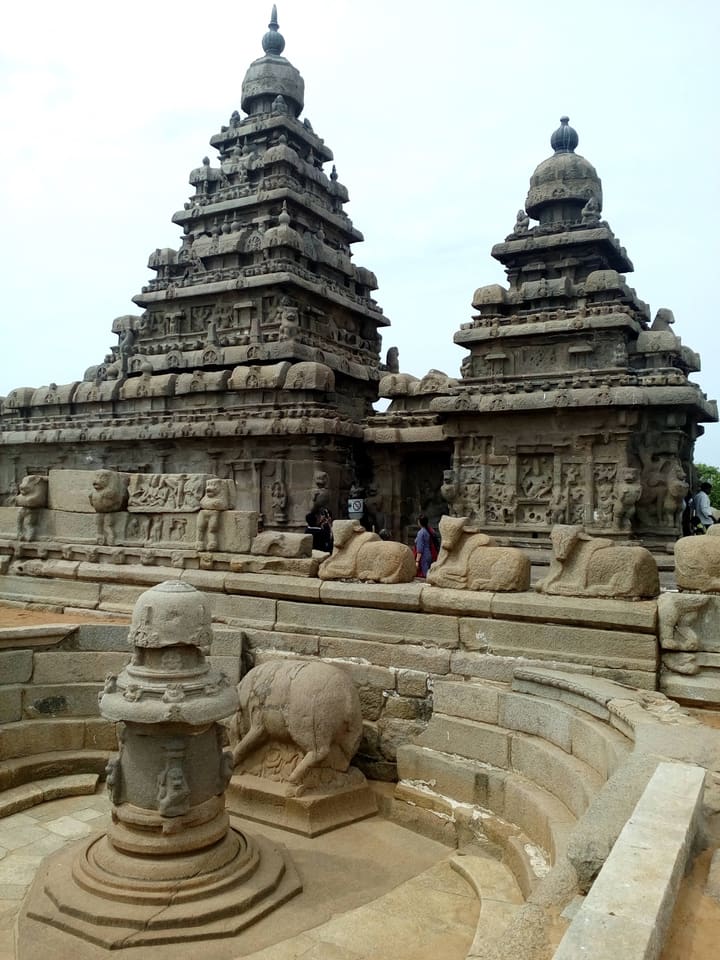
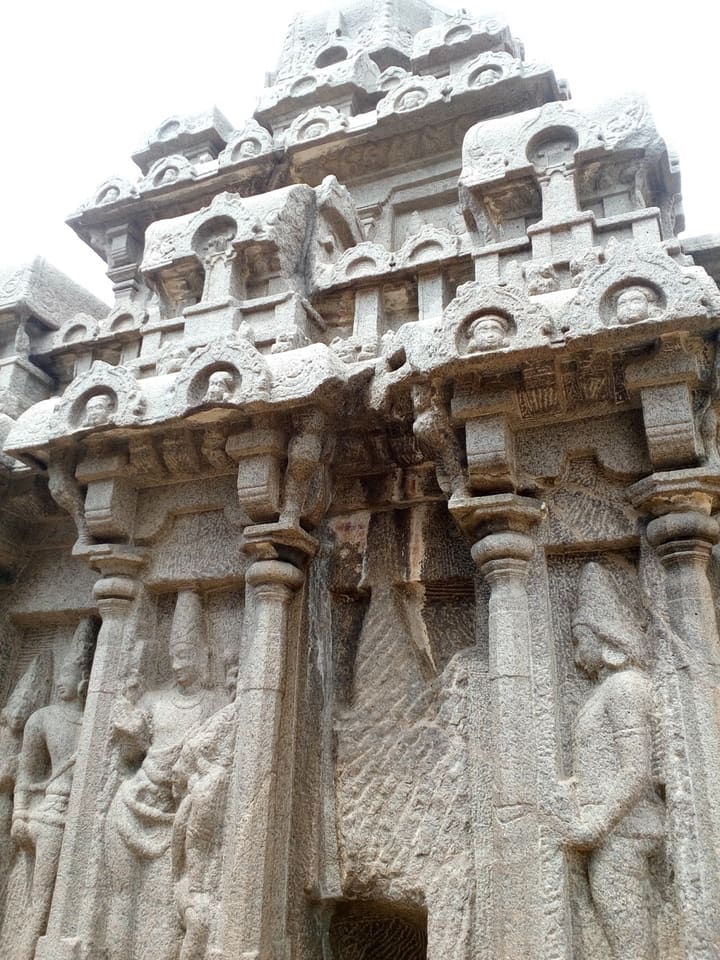
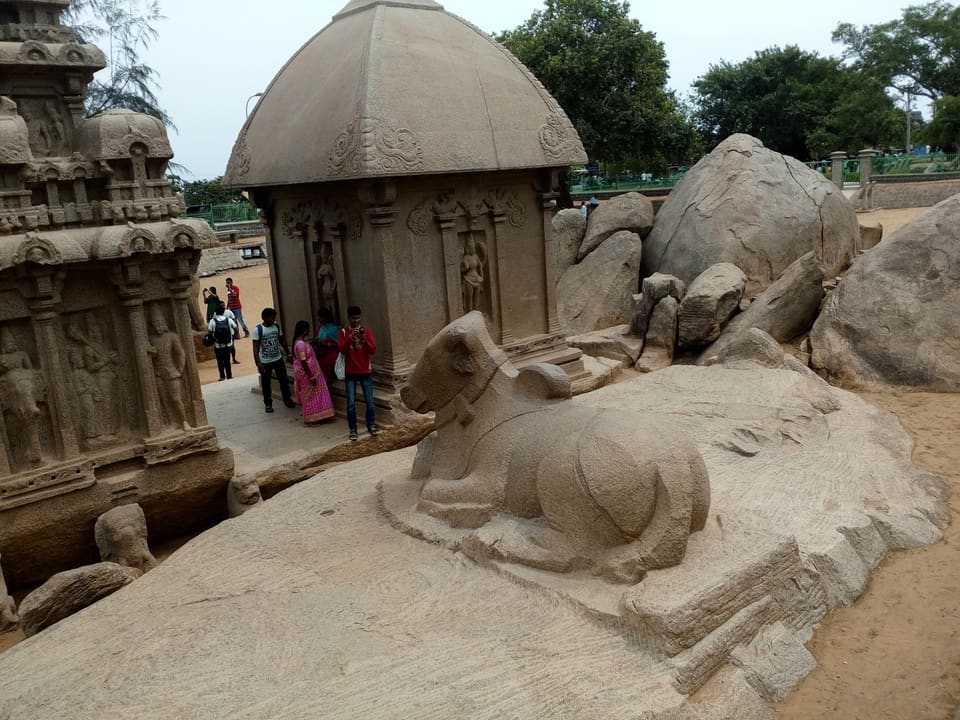
The 2017 photographs move from freestanding rathas to cave sanctuaries, reliefs, and the Shore Temple. UNESCO describes the ensemble as a seventh- and eighth-century Pallava creation that includes rock-cut mandapas, chariot-shaped temples, monumental open-air reliefs, and coastal shrines.
Start early. Side light gives the carving depth, exposed stone heats quickly, and the visual story is clearer before the busiest hours. Save the Shore Temple for a moment when you can step back and see its relationship with the sea rather than treating it only as a façade.
Five Rathas
Compare different architectural forms at close range before the day becomes crowded.
Relief and caves
Slow down at the sculpted surfaces; changing light reveals details that a quick pass misses.
Hill and boulders
Use the higher ground to understand how the monuments sit within the natural granite landscape.
Shore Temple
Finish near the coast, leaving enough time to observe the monument from several distances.
Chola capital
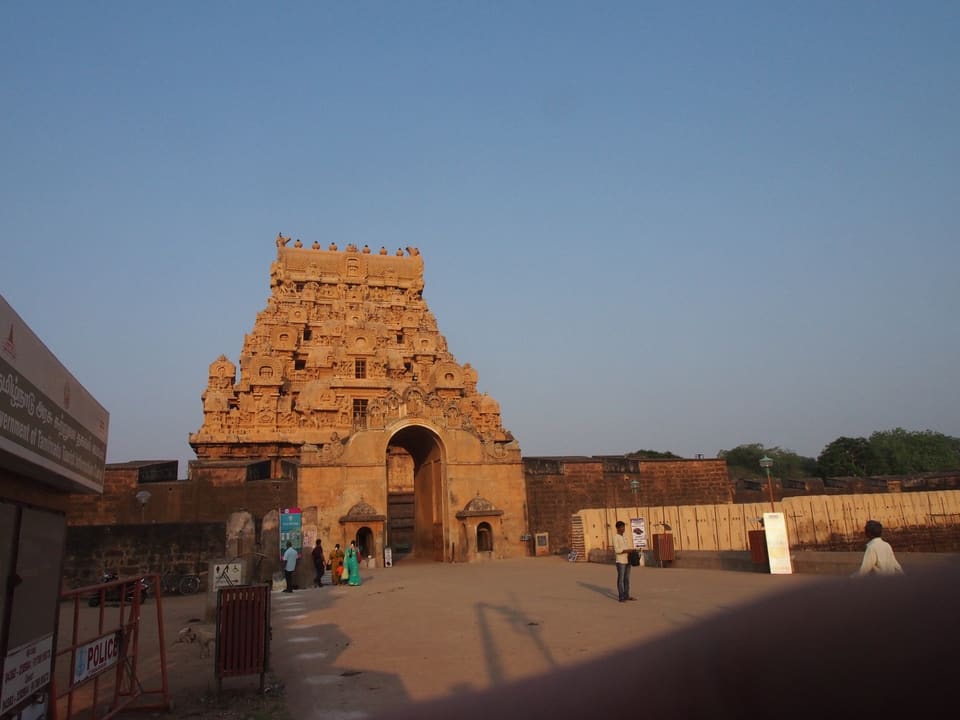
Brihadisvara is architecture designed to control attention
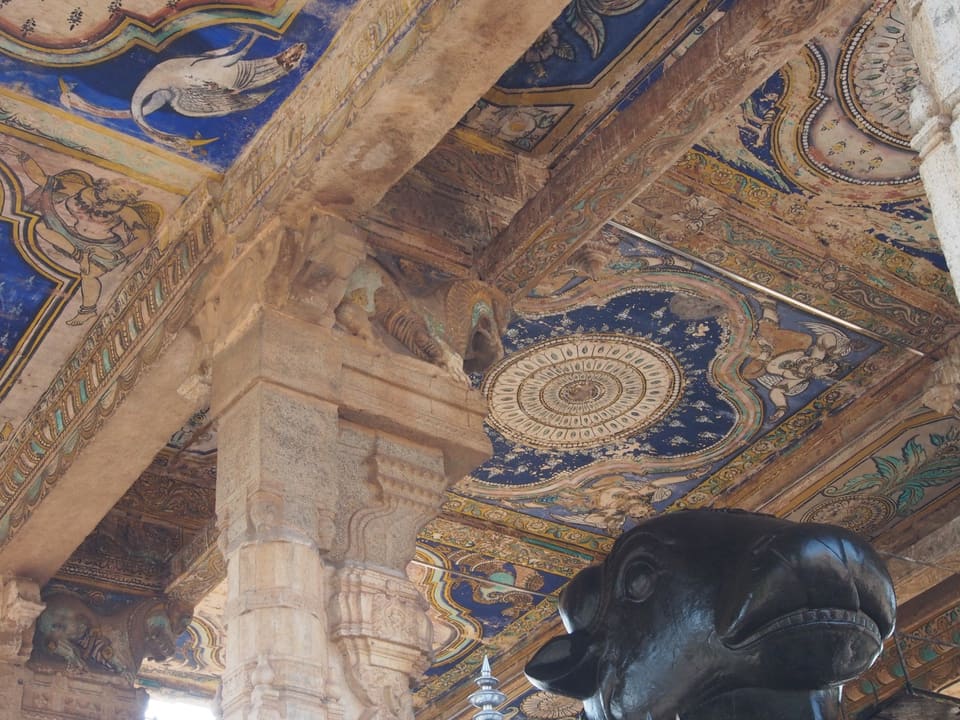
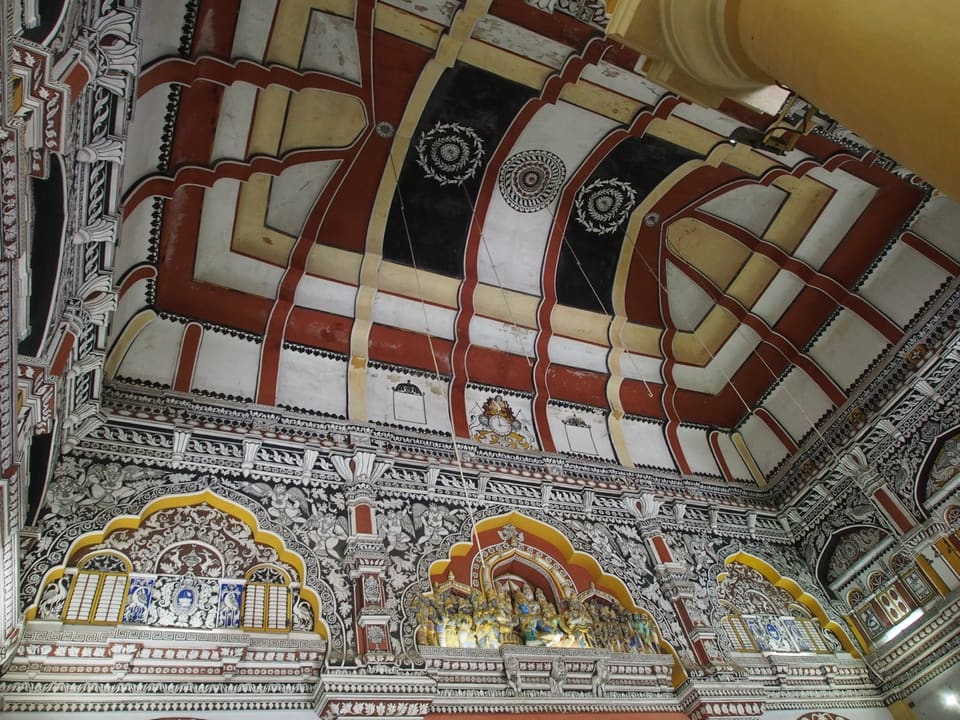
The long approaches, repeated thresholds, and sudden openness of the main courtyard make scale the central experience. UNESCO identifies Brihadisvara at Thanjavur as the first great example in the group now called the Great Living Chola Temples. Yet the archive’s smaller observations matter just as much: painted surfaces, carved ceilings, shadowed corridors, and the movement of an active place of worship.
Visit with patience and modest clothing. The monumental exterior rewards the cooler light of morning or late afternoon, while interiors require quiet, attention to signs, and respect for restrictions on photography.
Delta circuit
Thiruvaiyaru and Kumbakonam turn the road into the story
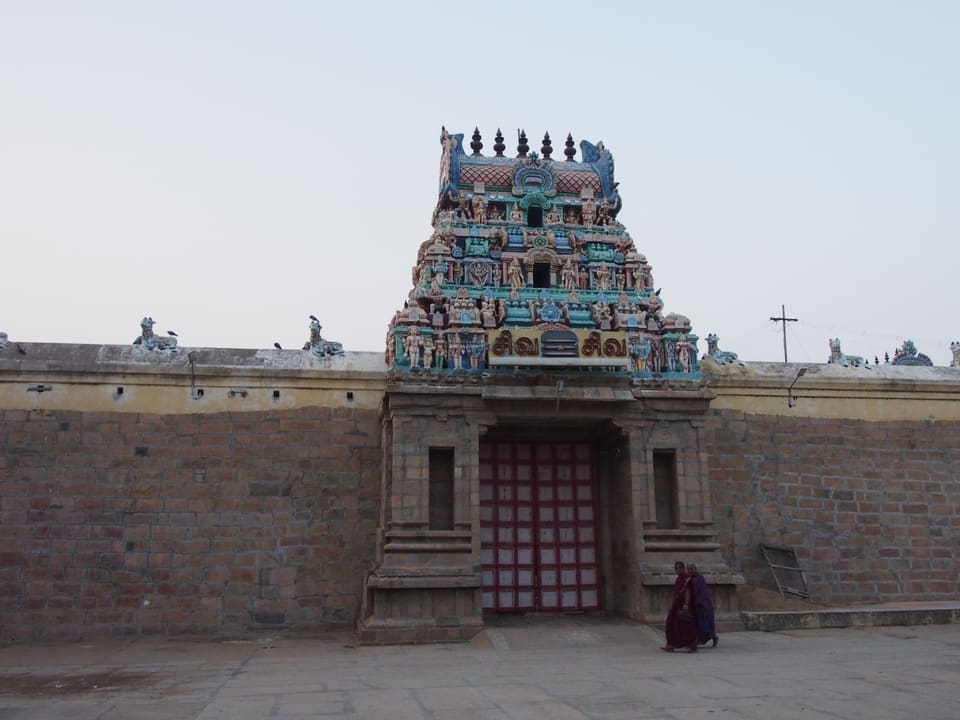
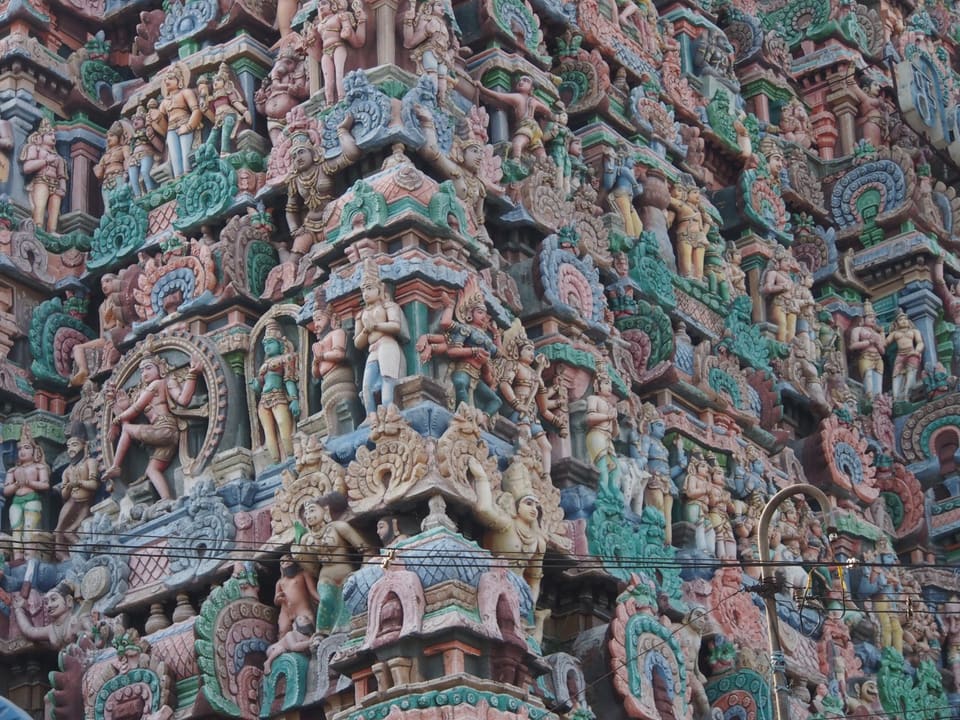
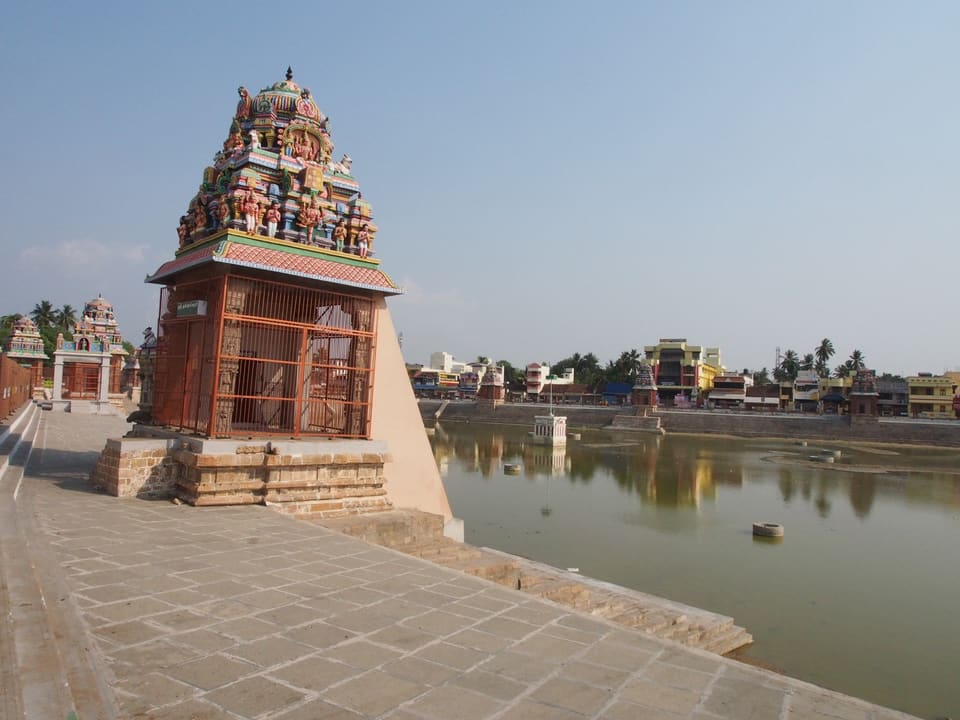
Beyond Thanjavur, the landscape becomes a chain of temple towns, water, cultivated fields, and ordinary streets carrying extraordinary towers. Thiruvaiyaru contributes a strong musical association and a more intimate town scale. Kumbakonam offers temple tanks, gopurams, and enough surrounding sites to justify a base rather than a hurried stop.
The best recommendation is simple: choose fewer temples and look longer. A delta day should include time for breakfast, shade, changing worship schedules, and the distances between towns. Darasuram can be folded into a Kumbakonam day, but the route should still have space to breathe.
Nilgiri change of pace
In Ooty, weather is not background—it is the itinerary
The 2014 photographs are held together by cloud. Views appear, disappear, and return with softer edges. Build a Nilgiris day around one scenic drive or walk, then add gardens or town stops as conditions allow. Chasing every viewpoint is less rewarding than giving one landscape time to change.
The climb is tiring even when the distance looks modest. Keep margins for bends, rain, and slow traffic; carry a light layer; and avoid stopping where a narrow road leaves no safe shoulder.
Personal archive
From sea-cut stone to a clouded horizon
Recommendations
Build the route around light, heat, and respect
Start exposed sites early
Mahabalipuram and large temple courts are easier to read before heat and crowds flatten the experience.
Dress for living temples
Carry socks if hot stone is a concern, follow local footwear rules, and keep worship routes clear.
Use two delta nights
Thanjavur and Kumbakonam make useful bases; avoid spending the entire visit inside a moving car.
Keep the hills flexible
Weather, visibility, and traffic should decide an Ooty day more than a fixed viewpoint checklist.
Context
Official reading
Historical context was checked against UNESCO’s listings for the Group of Monuments at Mahabalipuram and the Great Living Chola Temples. Use official monument and local tourism notices to verify current access before a visit.