Archive journal · 2005–2010
Kuwait: towers, galleries, Gulf light
An honest look back through early digital photographs: Kuwait Towers, the National Museum, the Sharq waterfront at sunset, and the dramatic interiors of a newly opened 360 Mall.
A dated visual record
These photographs preserve a city at a particular moment
The Kuwait folders are among the older parts of the personal archive. Their resolution, colour, and framing belong to early compact digital cameras, and the city they record belongs to 2005–2010. This page keeps that character rather than presenting old images as a current city guide.
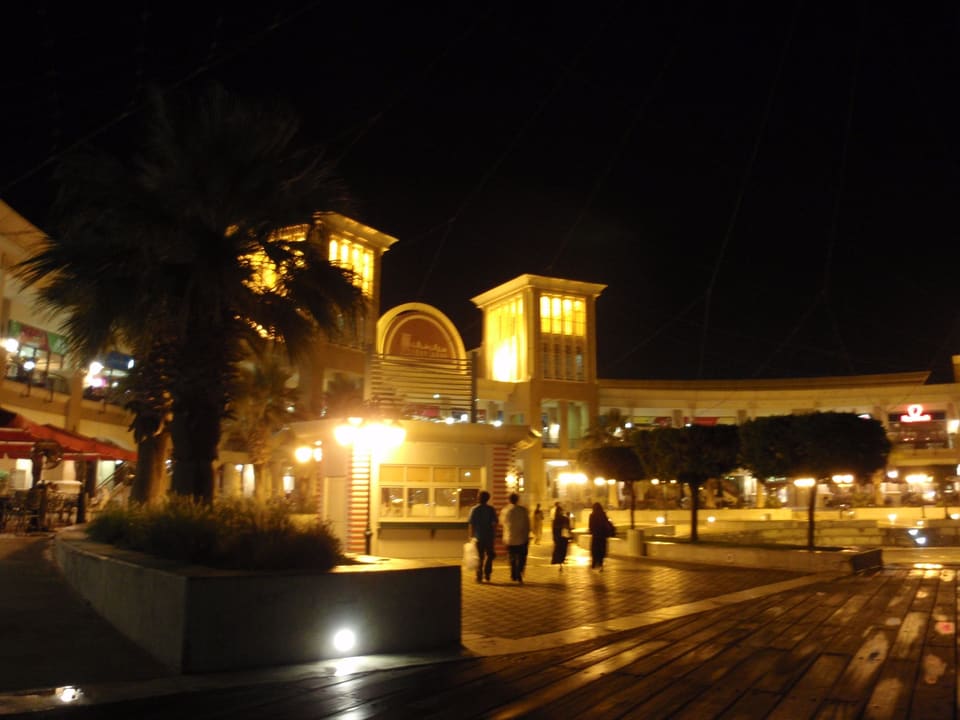
The route is still legible: a national landmark on the Gulf Road, cultural memory inside the National Museum, the harbour and skyline around Sharq, then the polished, climate-controlled interior of 360 Mall. Together they show how public identity, coast, commerce, and weather shape movement through Kuwait City.
National landmark
Kuwait Towers give the coastline its unmistakable punctuation
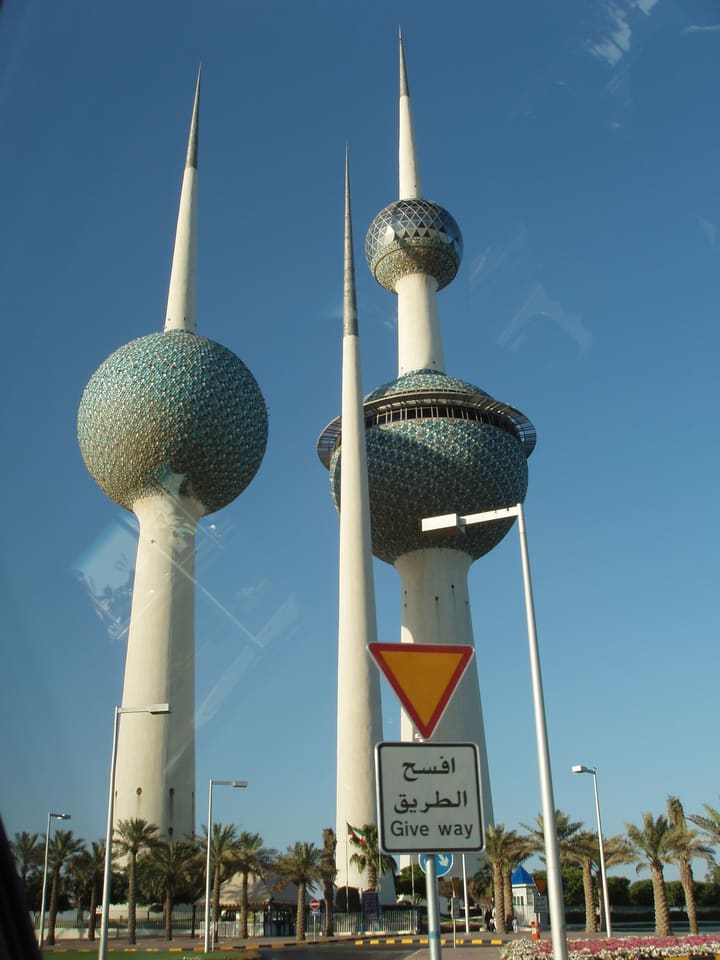
The 2005 frame is simple and effective: the slender forms rise from the low waterfront and remain visually separate from the city behind them. The Kuwait government identifies the Towers as one of the country’s best-known landmarks on Arabian Gulf Road in Sharq.
A present-day visit should begin with current operating information rather than an old itinerary. Even without entering, the surrounding waterfront gives room to understand the structure from a distance and compare it with the changing skyline around Kuwait City.
Cultural context
The National Museum adds human scale to the skyline story
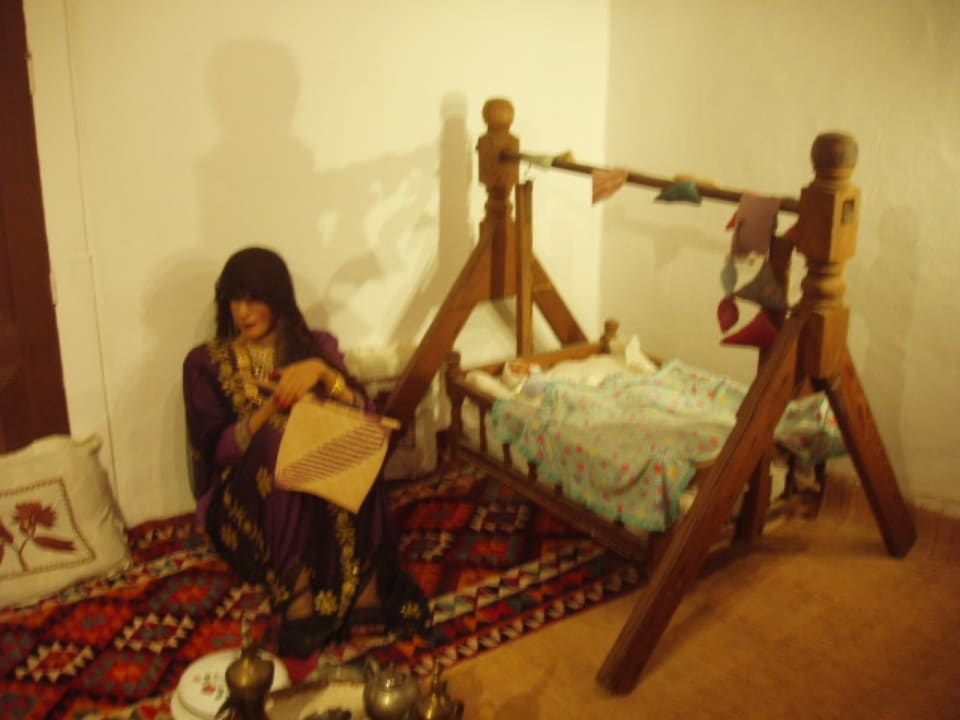
The 2007 museum folder moves through reconstructed scenes, textiles, objects, and displays of daily life. Those images are not merely indoor alternatives to the heat. They provide the cultural context that a landmark-only itinerary cannot: craft, trade, domestic space, maritime history, and the ways heritage is selected for public display.
The National Council for Culture, Arts and Letters lists the Kuwait National Museum among the country’s heritage institutions. Check its official planning information before visiting; galleries and opening arrangements can change.
Sharq at sunset
Save the open-air walk for the edges of the day
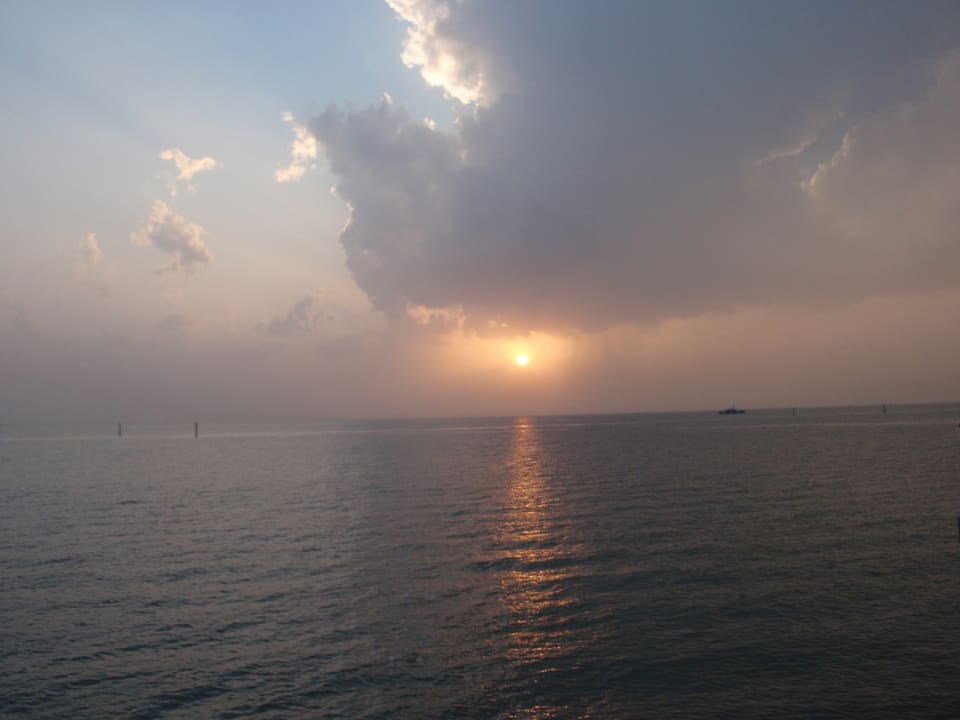
The Sharq photographs are the strongest sequence in this archive chapter. Towers, masts, water, and the last light become more important than any single building. The sky carries most of the composition, a useful reminder that Kuwait’s landscape is expansive even when the city is dense.
For a future visit, plan outdoor time around current weather and heat guidance. A waterfront walk near sunset can connect several city views, but routes, access, and active development should be checked locally rather than inferred from these 2010 photographs.
Culture first
Use a museum or cultural centre to understand the place before reading the skyline.
Towers from afar
Begin at a distance; the landmark’s relationship with the coast is part of its design.
Waterfront light
Keep outdoor walking for a comfortable interval and leave enough time for sunset to change.
City after dark
Finish with food or an indoor public space rather than extending a hot day beyond reason.
A 2010 interior
360 Mall was photographed as architecture, not just retail
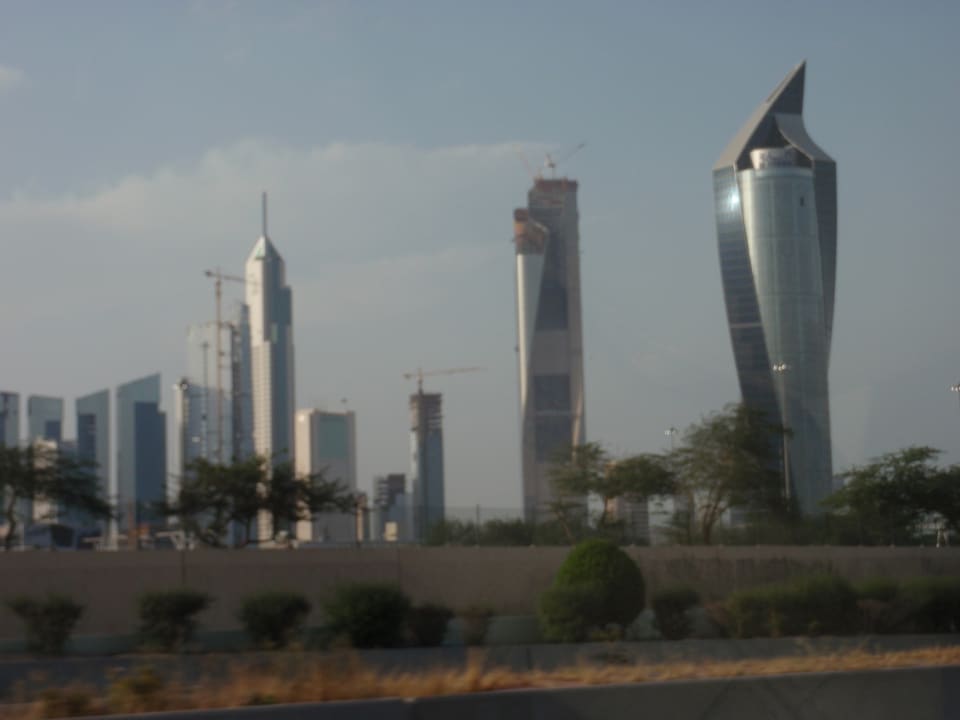
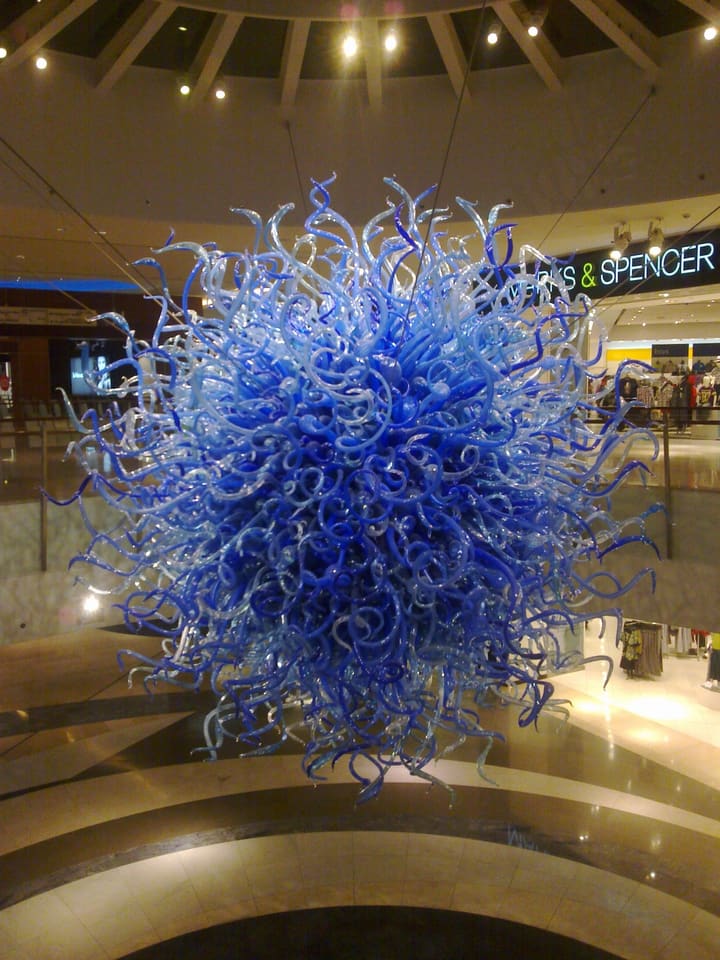
The camera was drawn upward to glass, suspended colour, reflections, and the scale of an air-conditioned atrium. In a Gulf climate, malls act as social and architectural interiors as well as shopping spaces. The blue glass sculpture makes that idea visible without needing a storefront in the frame.
Personal archive
Five years of a changing city
Recommendations
Use the archive for perspective, official sources for planning
Plan around heat
Move outdoor walks to comfortable hours and follow current weather and public-health guidance.
Pair icon and context
Balance the Towers with a museum or cultural institution rather than building a skyline-only day.
Check photography rules
Museums, cultural sites, and public interiors may have changed policies since these visits.
Verify every operation
These photographs are historical. Confirm current venues, access, transport, and opening times.
Current context
Official reading
Current destination context was checked against Kuwait Government Online’s visitor guide, its museum directory, the National Council for Culture, Arts and Letters, and the official Visit Kuwait platform.