Travelled October 2, 2025 – October 4, 2025 · Published Aug 8, 2026 · 373 words
Hanoi: lakes, courtyards and a thousand-year capital
A 2025 Hanoi journal from Hoan Kiem Lake to the Temple of Literature and the Imperial Citadel of Thang Long, with sacred and everyday city life between them.
Journal entry
Notes from the journey
Hanoi's long history is not arranged in a single heritage district. It appears around lakes, behind walls, in temple courtyards and across ceremonial squares. The 2025 photographs follow those fragments from Hoan Kiem to Thang Long, revealing a capital that repeatedly changed political form while retaining powerful urban landmarks.
Archive note: the photographs in this journal come from Varghese Tony's personal travel collection. Historical context is independently researched from the authoritative sources linked at the end.
Hoan Kiem as an everyday centre

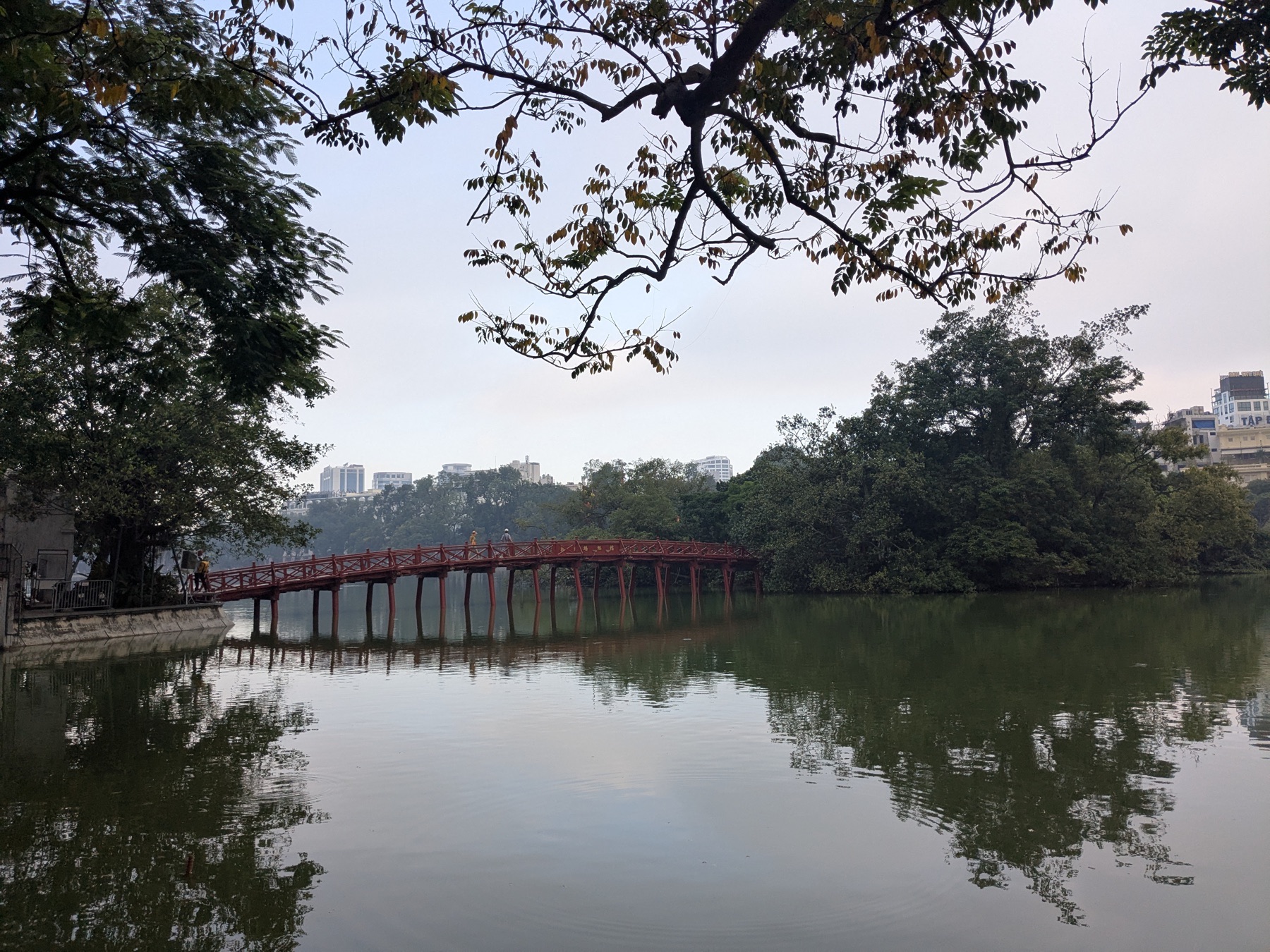
Hoan Kiem Lake is both legend-bearing landscape and daily public space. Ngoc Son Temple occupies a small island reached by the red The Huc Bridge, while the surrounding streets move quickly into the Old Quarter and the cathedral precinct. Morning exercise, traffic, worship and tourism overlap; the lake works because it remains part of ordinary city life.
Education written into courtyards
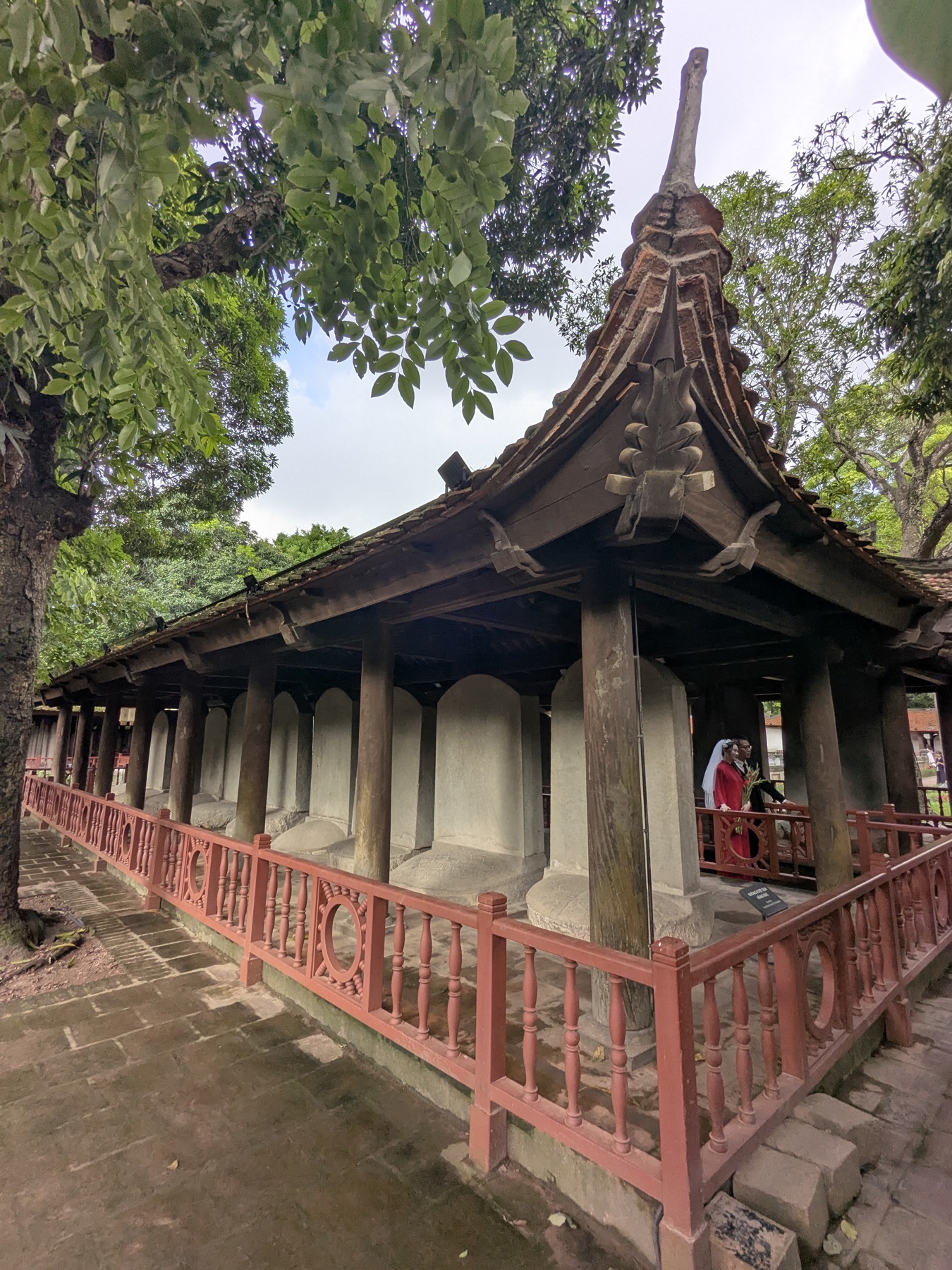
The Temple of Literature was founded in 1070 and became associated with the imperial academy established soon after. Vietnam Tourism describes five principal courtyards and surviving doctoral stelae set on stone tortoises. The complex honours Confucian learning, but its modern life is visible in students who still come for photographs, reflection and luck before examinations.
Thang Long's layers of power
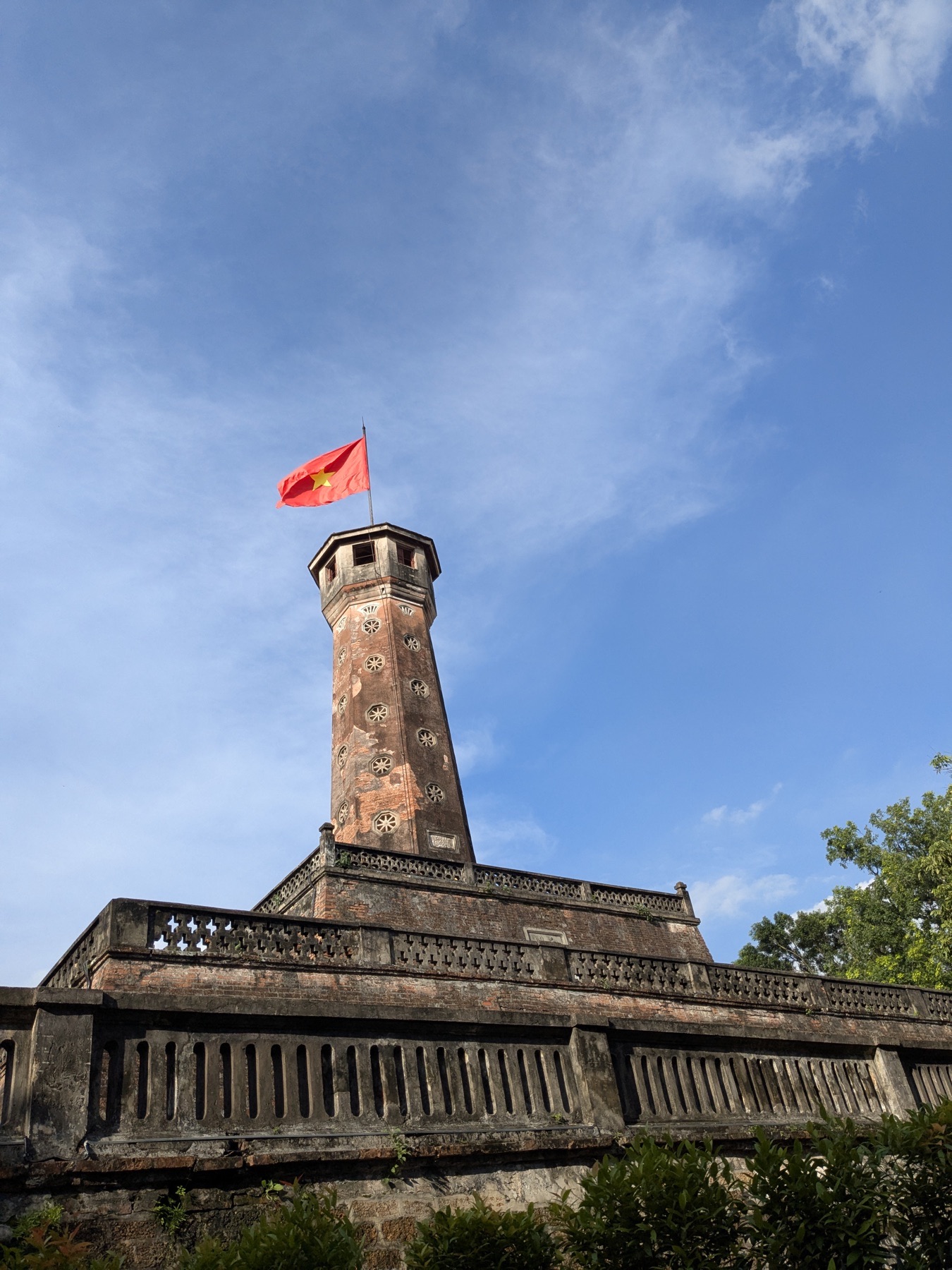
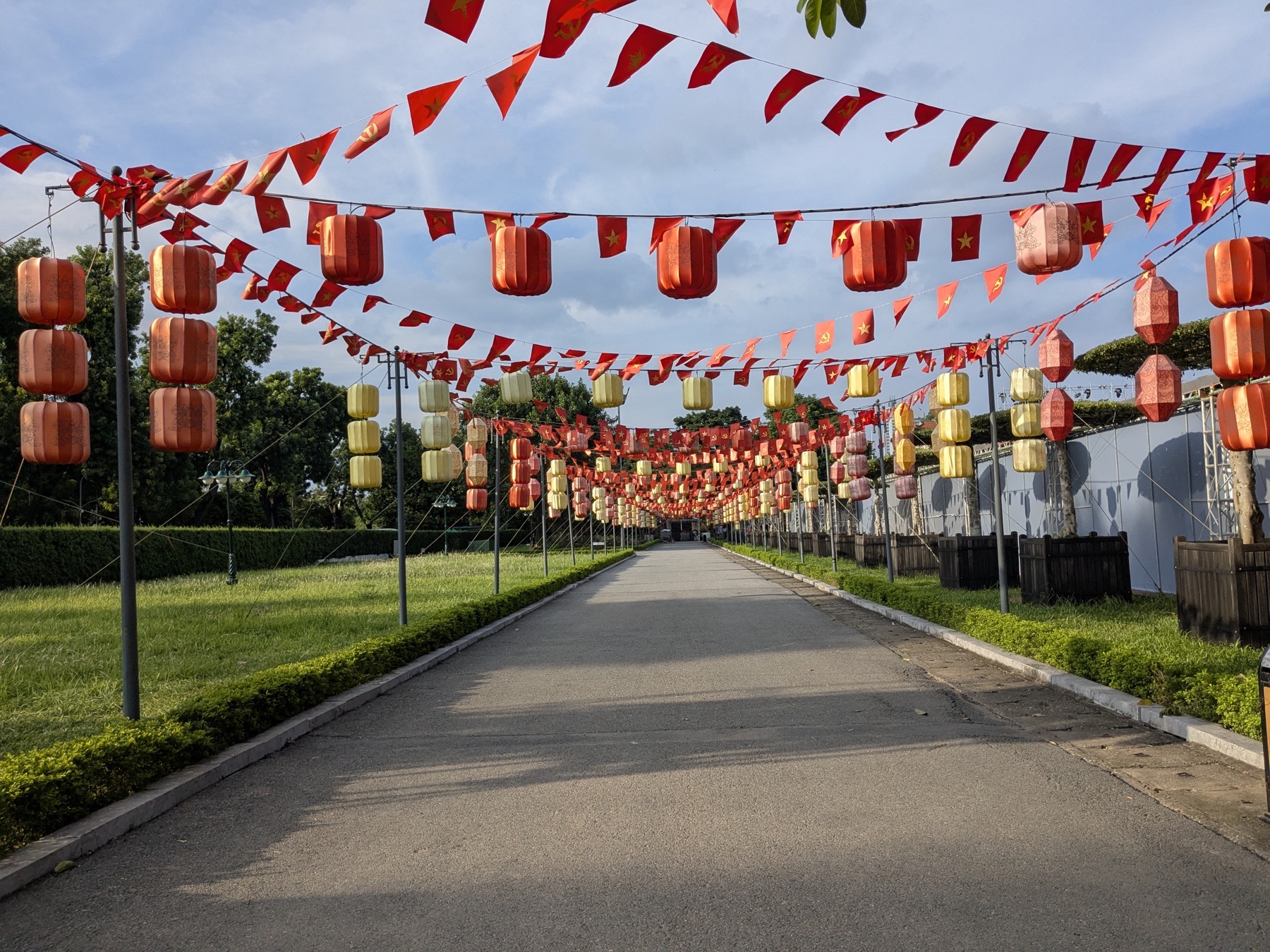
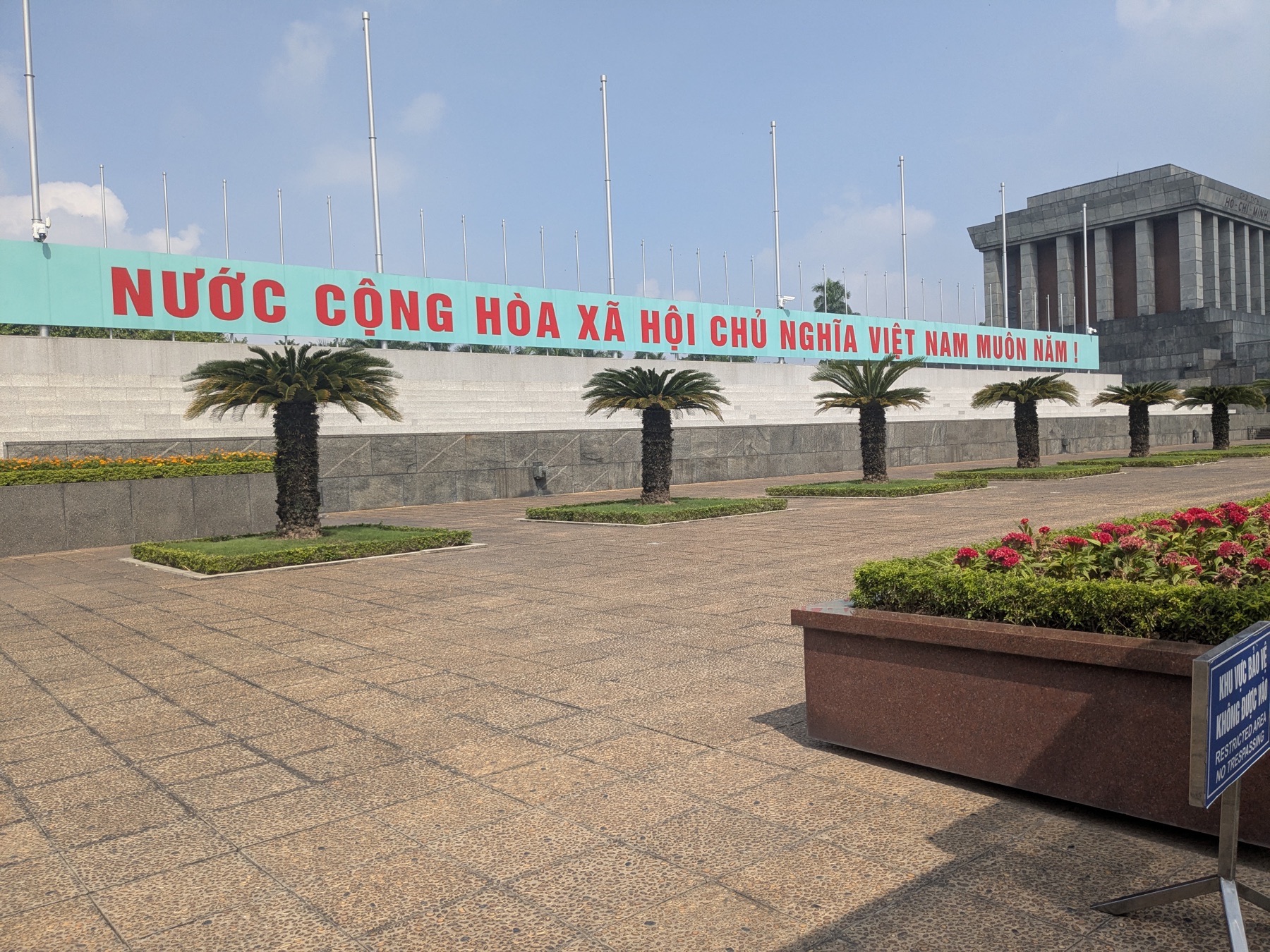
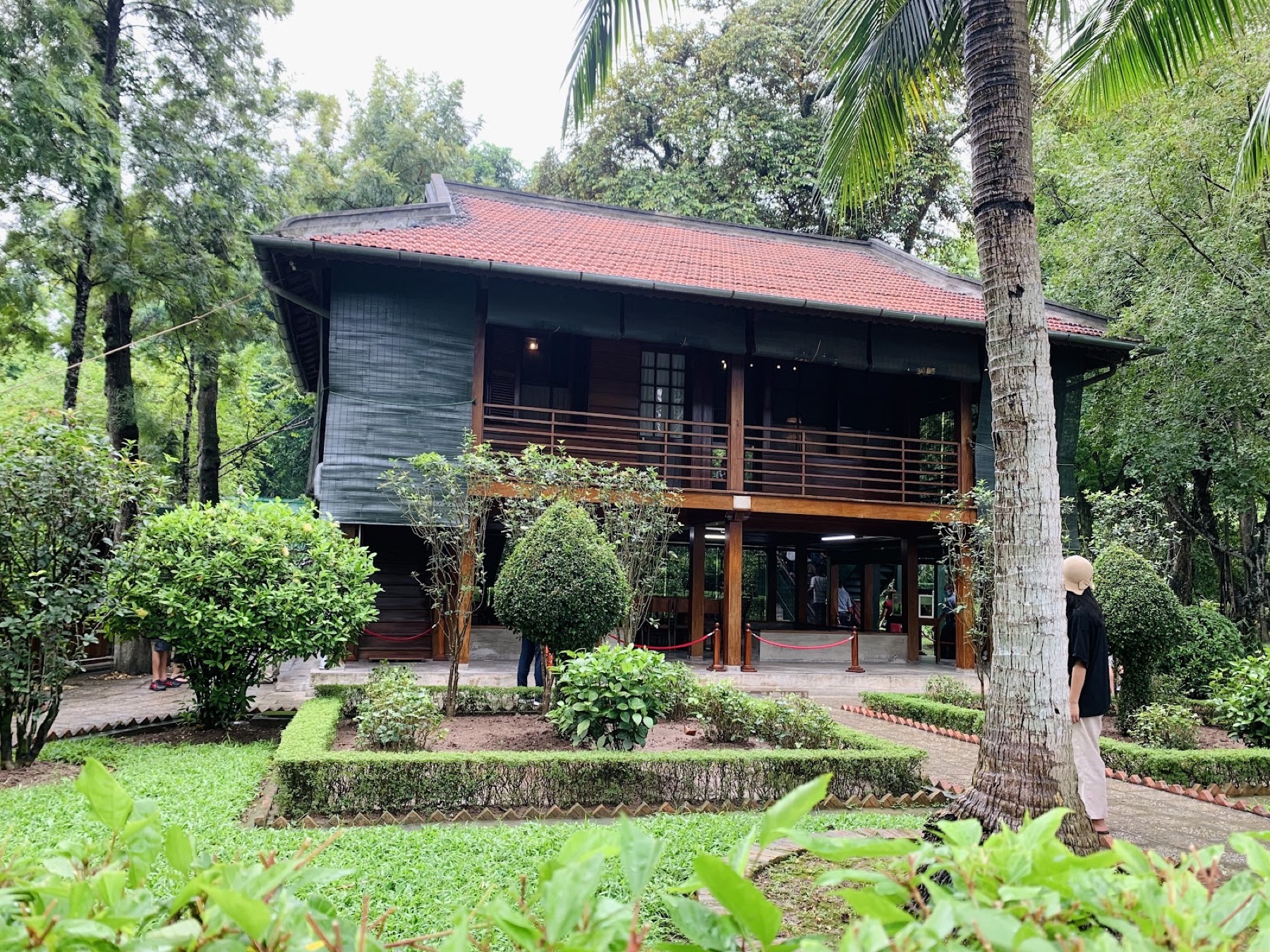
UNESCO traces the Imperial Citadel of Thang Long to the eleventh-century Ly dynasty, built over earlier fortifications and serving as a political centre for nearly thirteen centuries. Archaeology, dynastic gates, colonial buildings and modern military history occupy the same ground. Nearby Ba Dinh Square and the presidential complex carry the story into the twentieth century, making this a landscape of continuity as much as ruins.
West Lake and the edges of the itinerary
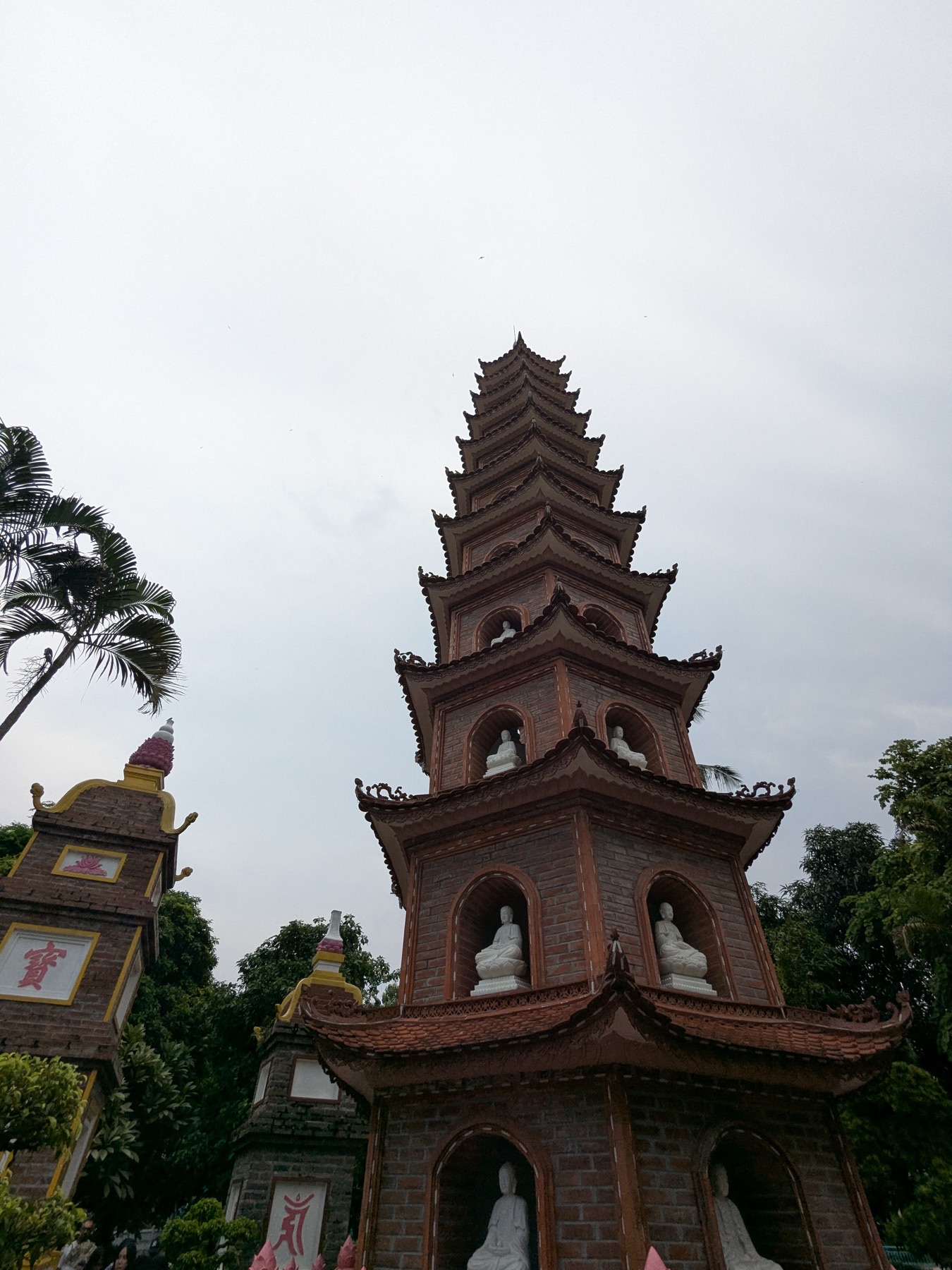
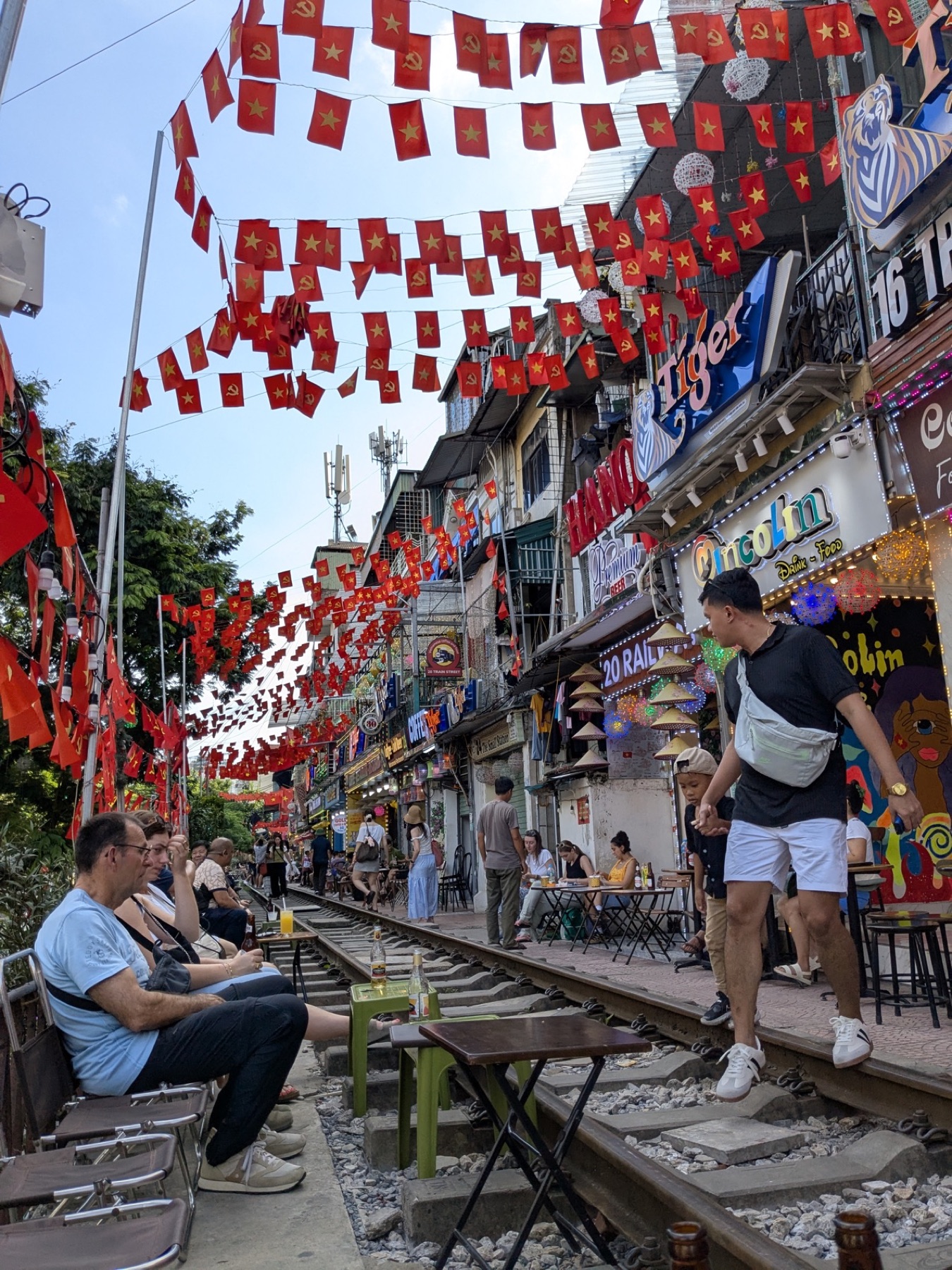
Tran Quoc Pagoda introduces the broad scale of West Lake, while the much-photographed railway lanes show how infrastructure cuts through residential space. Access near active tracks has changed repeatedly for safety. A responsible journal treats local restrictions as more important than recreating a social-media viewpoint.
Research and planning sources
The historical notes above are paraphrased from the following official heritage and tourism resources. Opening hours, tickets, conservation closures, trail access and photography rules can change; check the linked authorities before travelling.
Places from the journey
Saved places
Lake and public space
Hoan Kiem Lake
The symbolic lake at the centre of Hanoi's old urban core.
Open in Google Maps ↗Sacred and educational heritage
Temple of Literature
A Confucian temple and Vietnam's early imperial academy.
Open in Google Maps ↗World Heritage
Imperial Citadel of Thang Long
The long-lived political centre of the Vietnamese capital.
Open in Google Maps ↗Civic history
Ba Dinh Square
The major ceremonial square associated with modern Vietnamese state history.
Open in Google Maps ↗Sacred heritage
Tran Quoc Pagoda
A historic Buddhist pagoda on West Lake.
Open in Google Maps ↗