Travelled September 28, 2025 – September 29, 2025 · Published Aug 8, 2026 · 375 words
Ho Chi Minh City and Cu Chi: architecture after rupture
A 2025 journal linking the civic landmarks of central Ho Chi Minh City with the difficult underground history of the Cu Chi tunnels.
Journal entry
Notes from the journey
Ho Chi Minh City holds French colonial civic architecture, a modernist presidential palace, difficult war museums and a rapidly changing skyline within a compact centre. The 2025 journey then travelled northwest to Cu Chi, where history moves underground. Putting both places in one journal connects the city's surfaces to the conflict that transformed them.
Archive note: the photographs in this journal come from Varghese Tony's personal travel collection. Historical context is independently researched from the authoritative sources linked at the end.
A civic centre inherited and reused
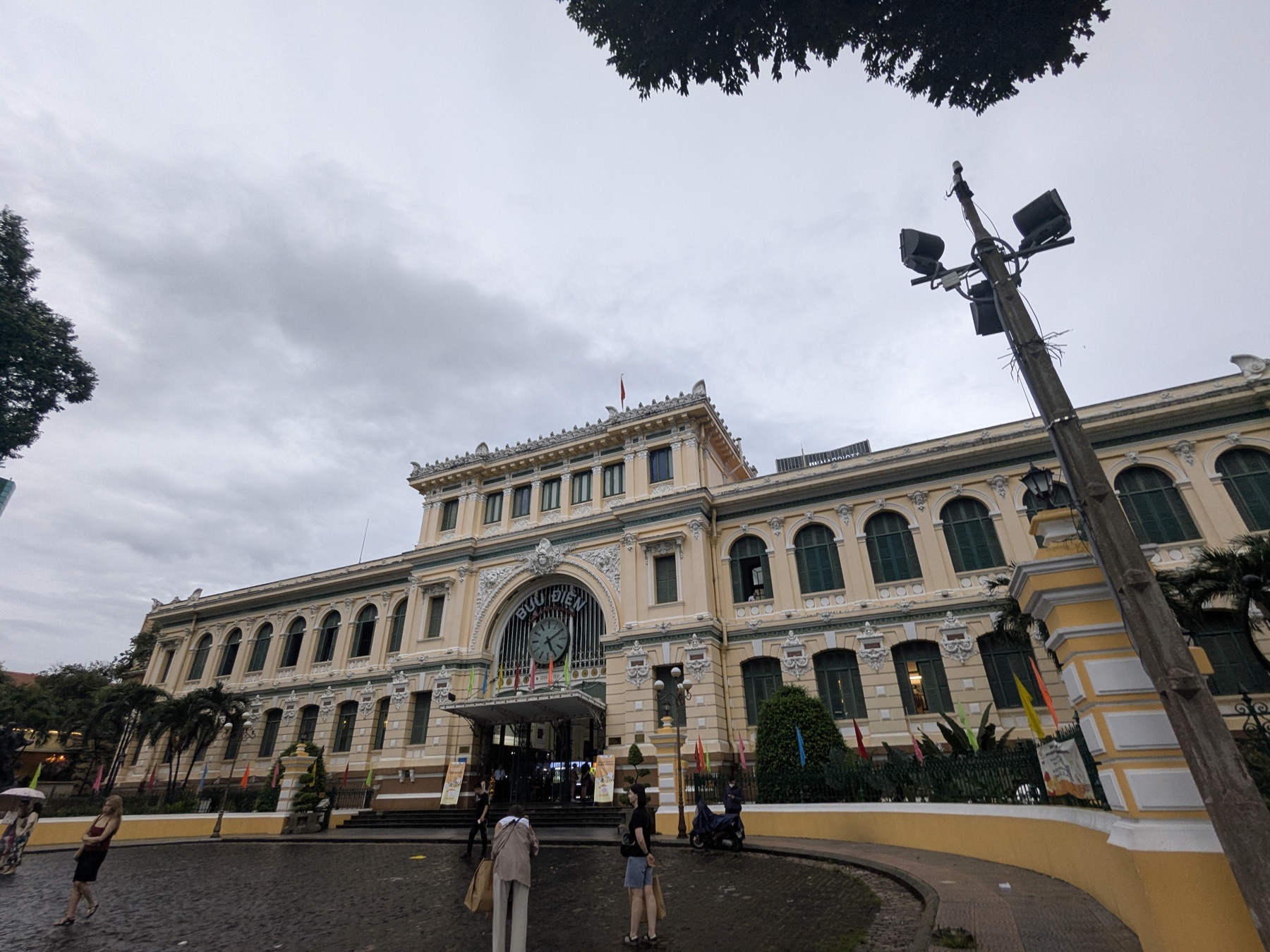
The Central Post Office remains a functioning public building as well as a heritage landmark. Its metal roof, tiled floor and grand hall reflect late nineteenth-century colonial infrastructure, yet everyday postal activity prevents it from becoming only a period interior. Around it, the cathedral and boulevards reveal how the colonial city was planned and how those spaces have been absorbed into modern life.
Independence Palace and 30 April 1975
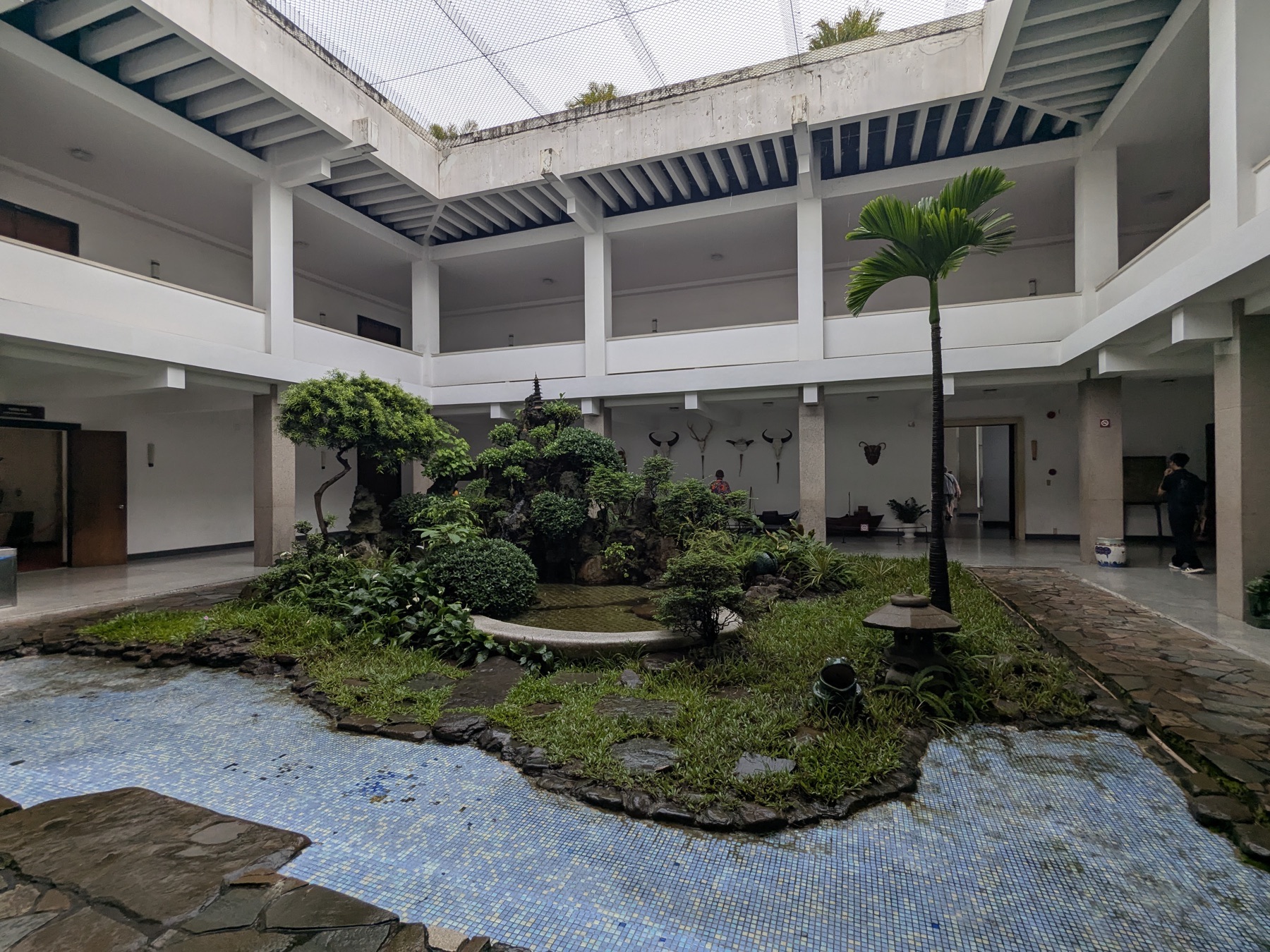
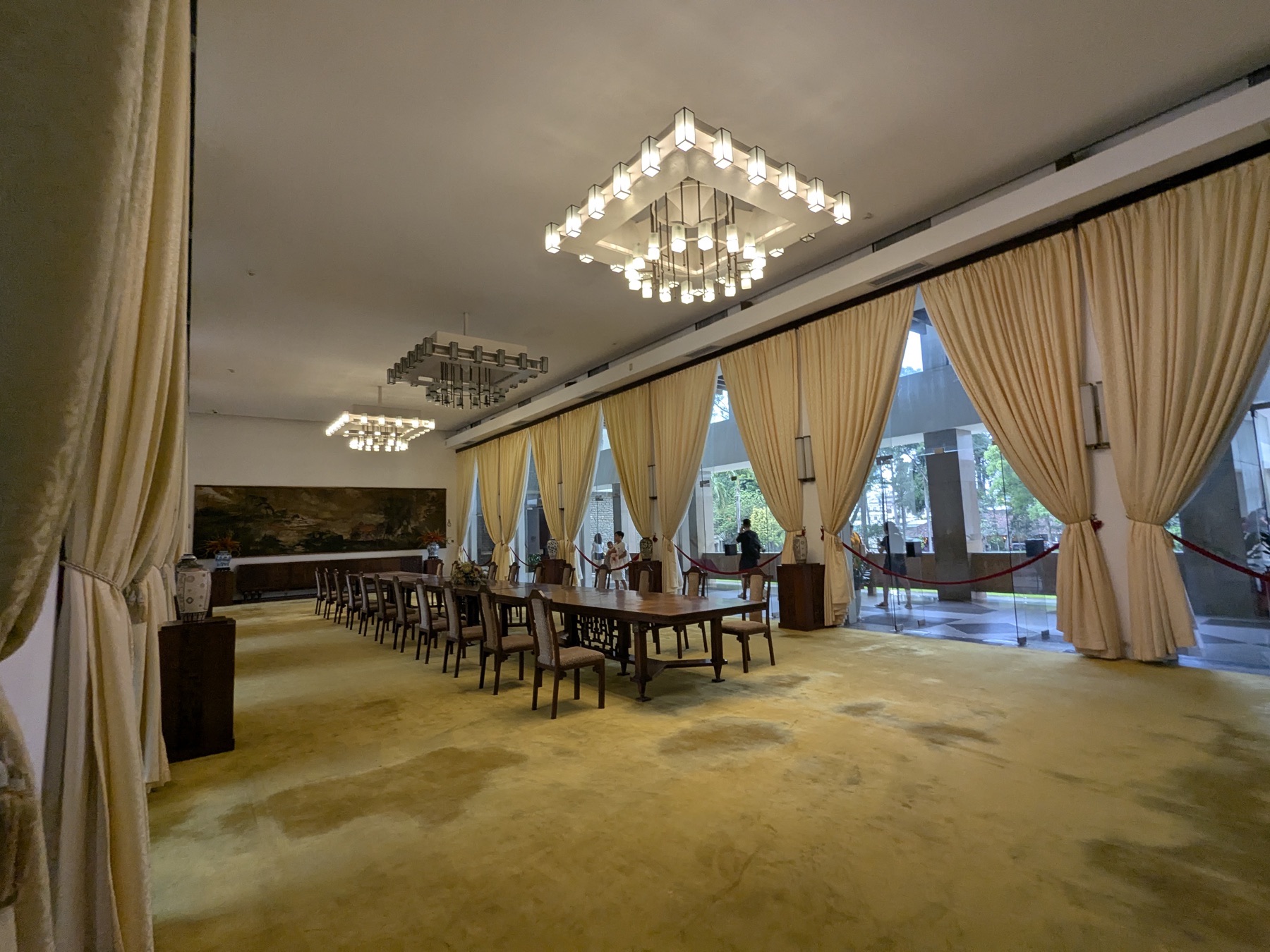
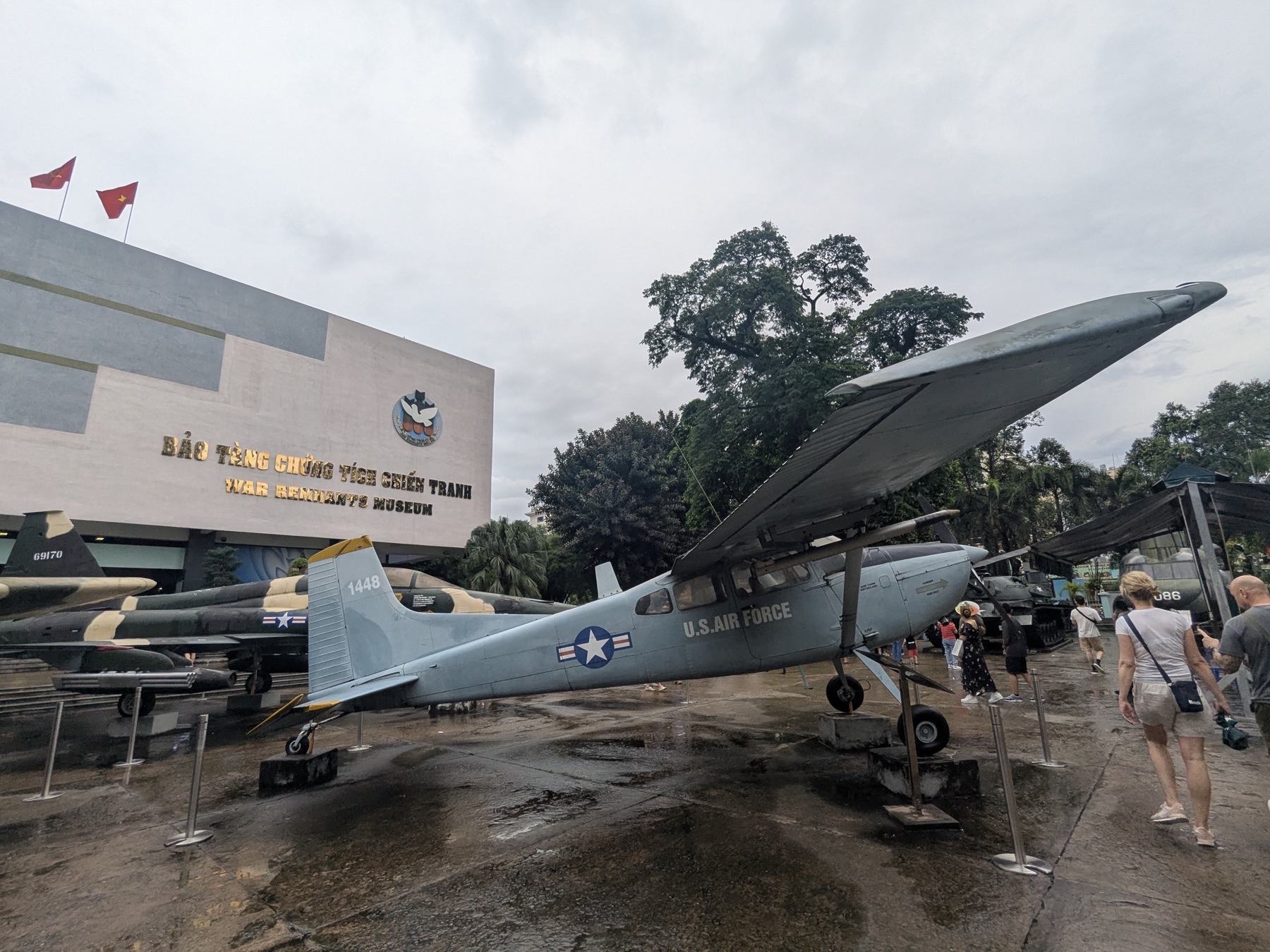
Independence Palace was designed in the 1960s by architect Ngo Viet Thu and served as the seat of the Republic of Vietnam's presidency. Tanks entering its grounds on 30 April 1975 became an enduring image of the war's end and reunification. Nearby, the War Remnants Museum presents conflict through weapons, photography and civilian experience. The material is distressing and deserves unhurried, respectful attention.
The underground war at Cu Chi
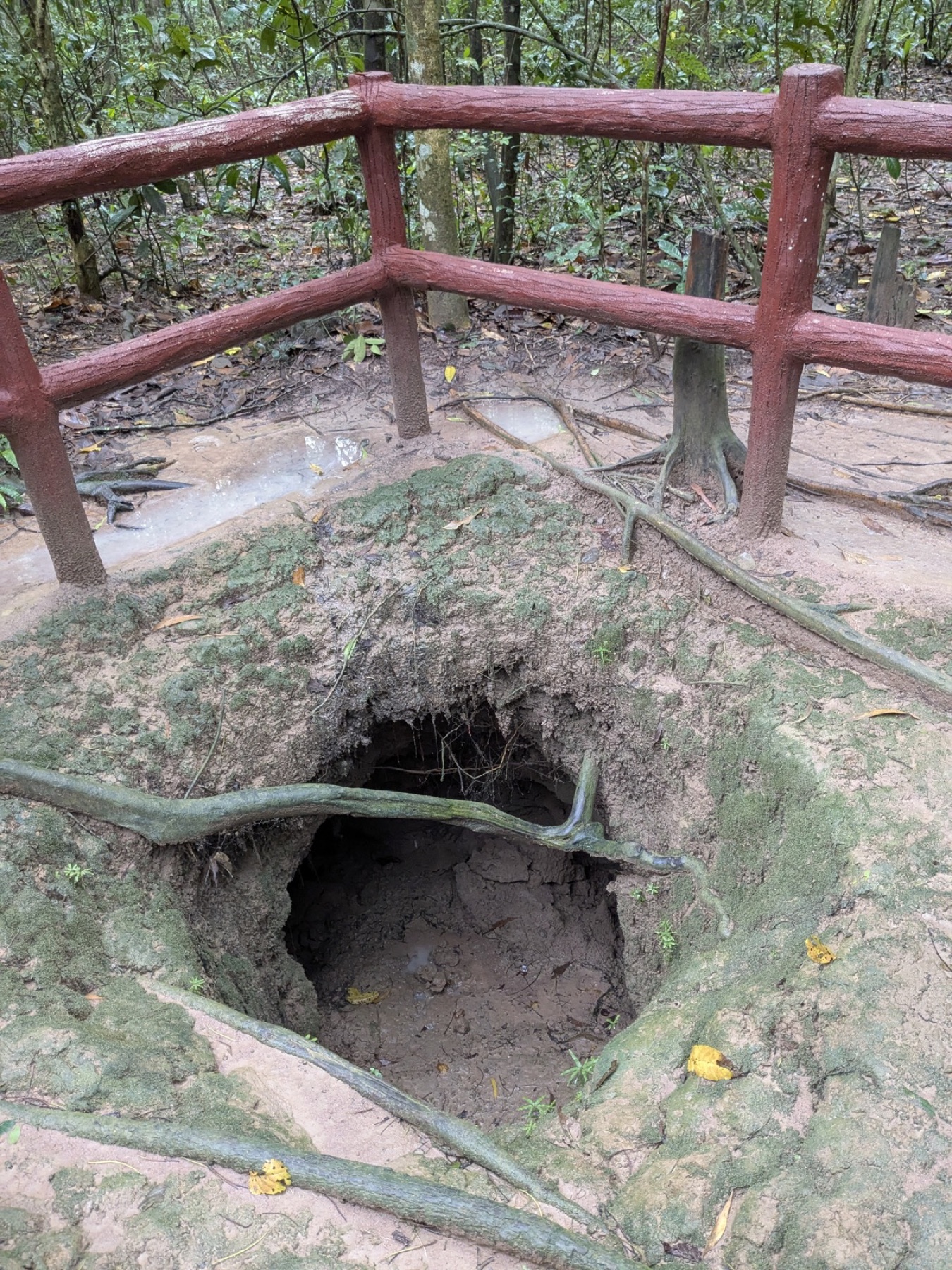
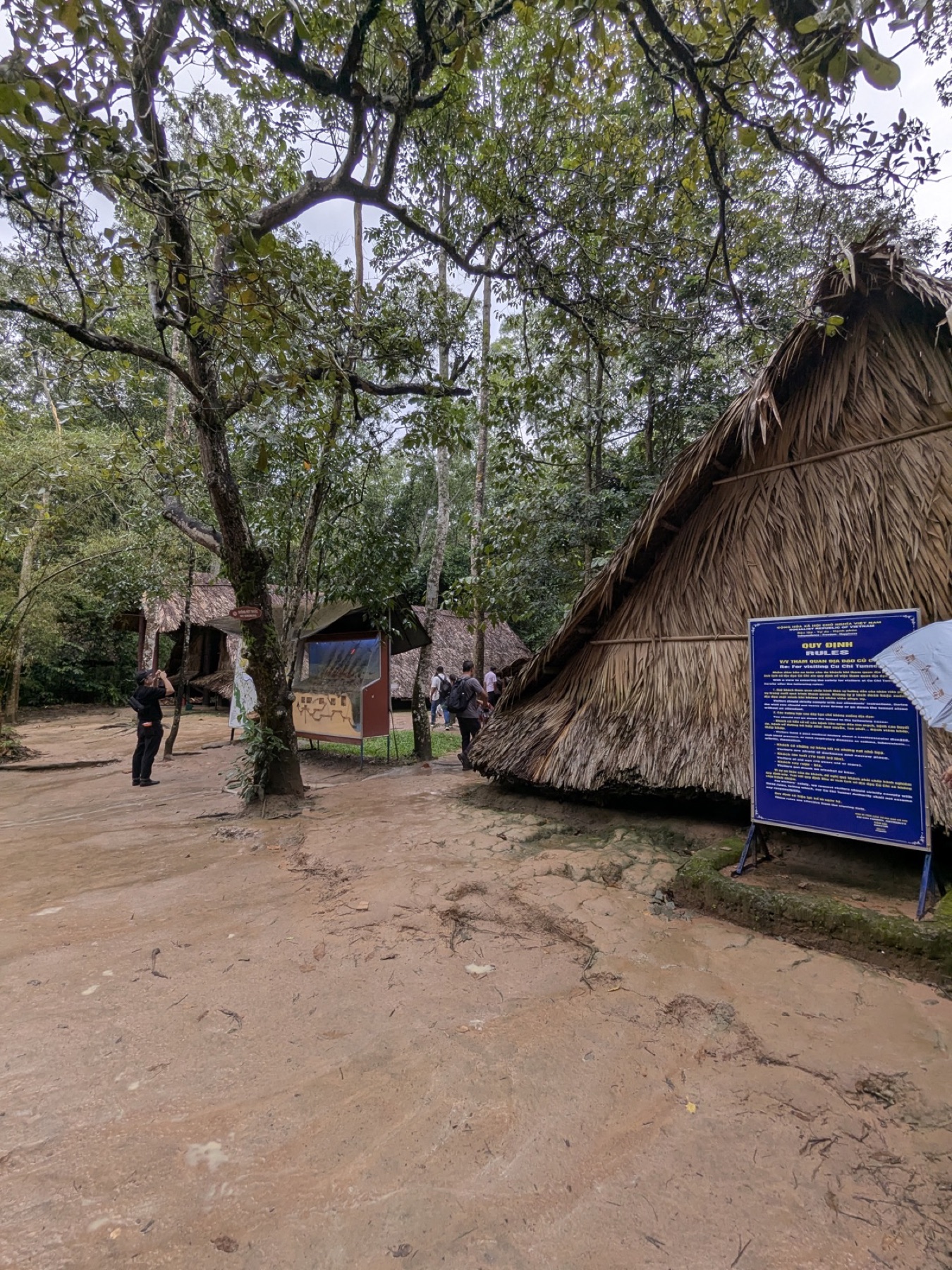
The Cu Chi tunnel systems supported shelter, communication, movement and combat over a large rural area. Visitor sections demonstrate concealed entrances and cramped passages, but the experience should not turn wartime survival into an obstacle course. Interpretation is strongest when it includes the danger, disease, bombing and civilian cost that shaped life underground.
A city that did not stop at 1975
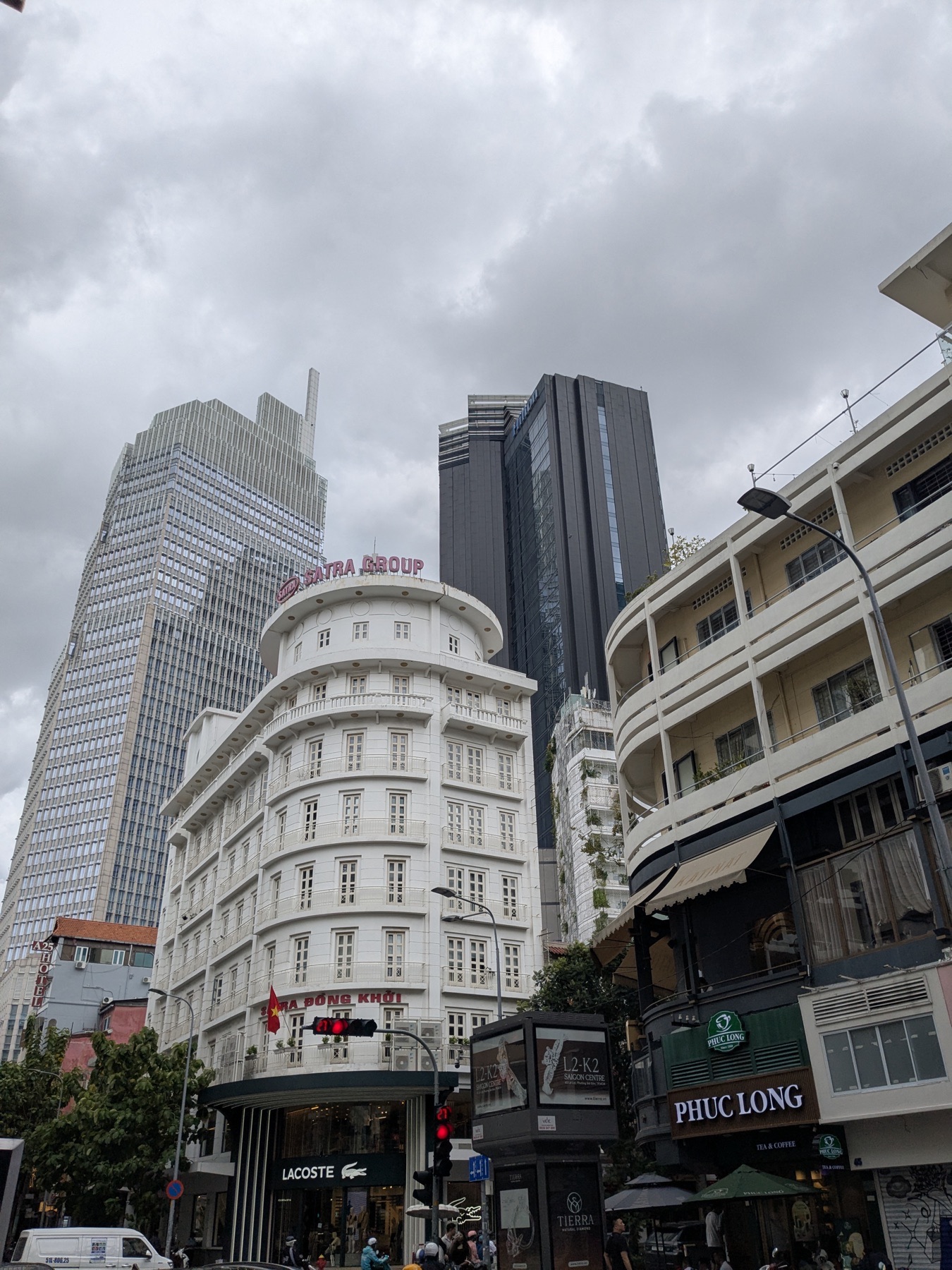
The contemporary skyline closes the journal deliberately. Ho Chi Minh City is not only a repository of war memory; it is an intensely active commercial city. New towers and transport sit beside older neighbourhoods, making change itself one of the route's defining subjects.
Research and planning sources
The historical notes above are paraphrased from the following official heritage and tourism resources. Opening hours, tickets, conservation closures, trail access and photography rules can change; check the linked authorities before travelling.
Places from the journey
Saved places
Architecture and civic heritage
Saigon Central Post Office
A late nineteenth-century postal hall still serving the city.
Open in Google Maps ↗National monument
Independence Palace
The modernist former presidential palace associated with 30 April 1975.
Open in Google Maps ↗Museum and history
War Remnants Museum
A museum confronting the human and material consequences of war.
Open in Google Maps ↗Historic landscape
Cu Chi Tunnels Ben Dinh
One interpreted section of the extensive wartime tunnel networks northwest of the city.
Open in Google Maps ↗