Travelled September 30, 2025 · Published Aug 8, 2026 · 314 words
Hoi An: a trading town between daylight and lantern light
A 2025 Hoi An journal following market streets, ochre houses and the Thu Bon river from working morning to lantern-lit evening.
Journal entry
Notes from the journey
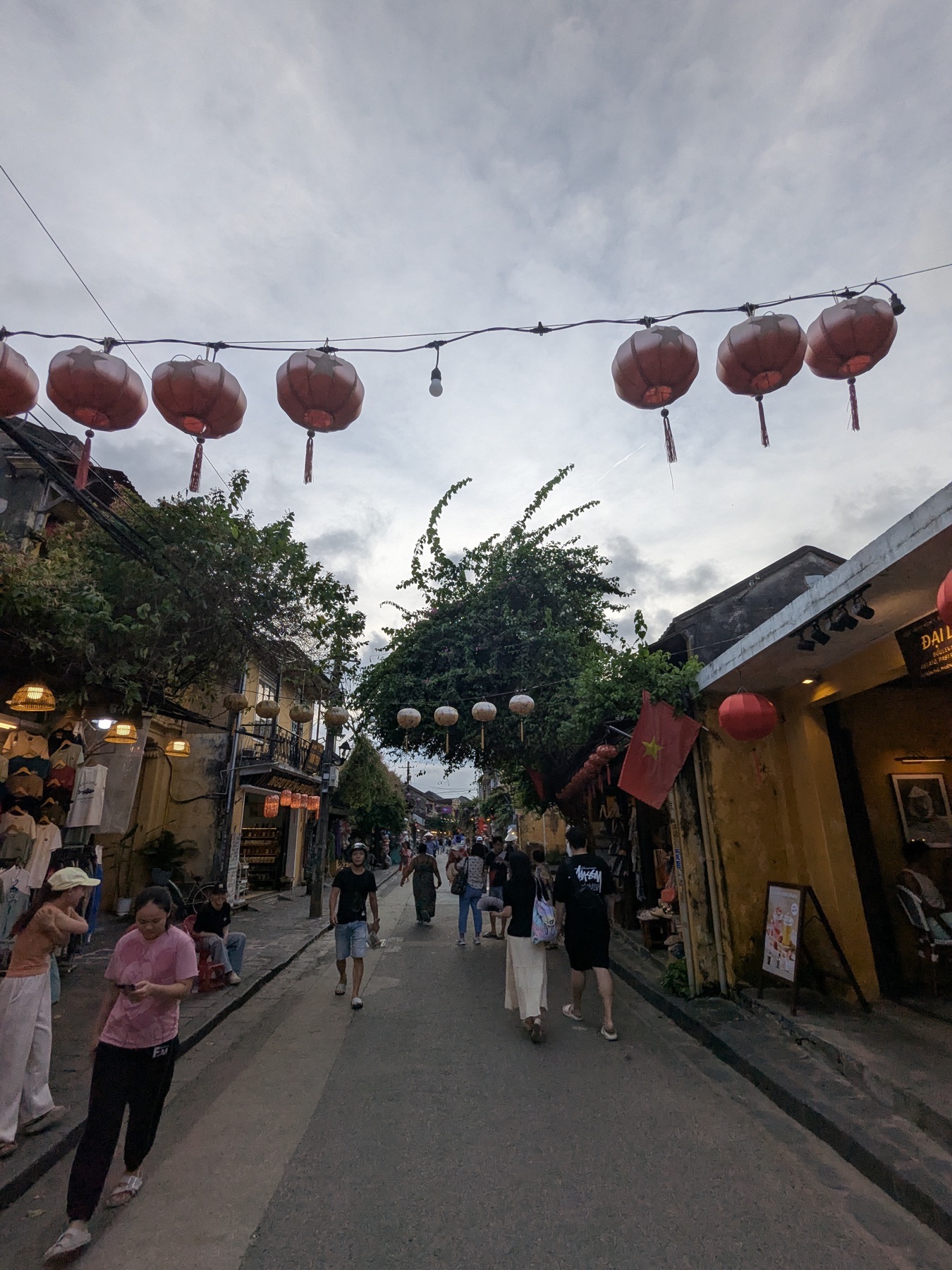
Hoi An's beauty is real, but it can be flattened by lantern imagery. The 2025 photographs recover a fuller rhythm: market work in the morning, shaded old houses through the day, boats on the Thu Bon and reflections after dark. The ancient town survives because trade shifted elsewhere, yet tourism now creates its own pressures on the preserved fabric.
Archive note: the photographs in this journal come from Varghese Tony's personal travel collection. Historical context is independently researched from the authoritative sources linked at the end.
A port town preserved by change
UNESCO describes Hoi An as an exceptionally well-preserved traditional Asian trading port and a material record of cultural exchange. Merchants from China, Japan and elsewhere joined Vietnamese communities here, leaving assembly halls, houses, temples and street patterns. As the river silted and Da Nang rose as a port, Hoi An's commercial importance declined—a historical reversal that helped its older architecture survive.
The working town before the crowds
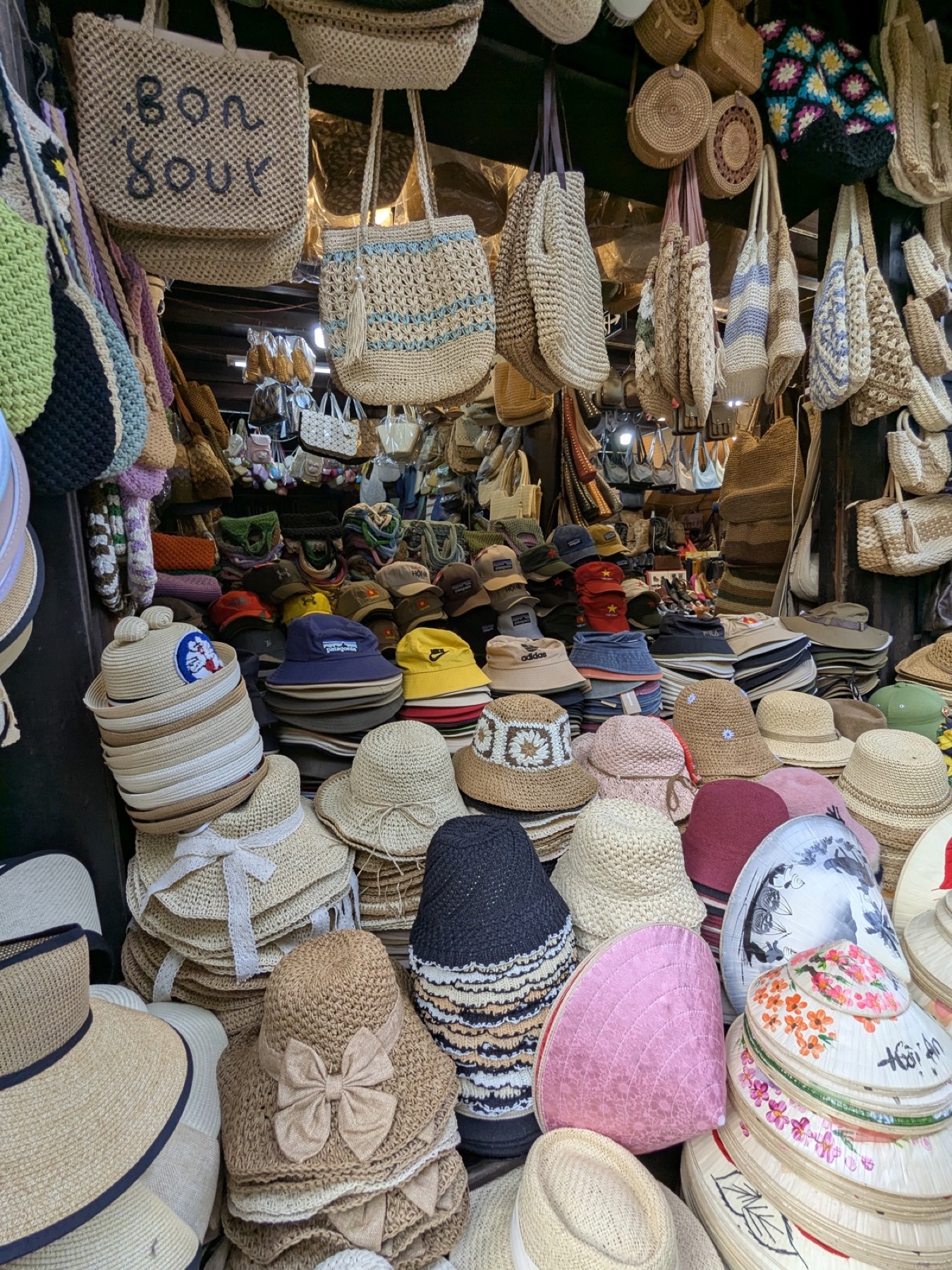
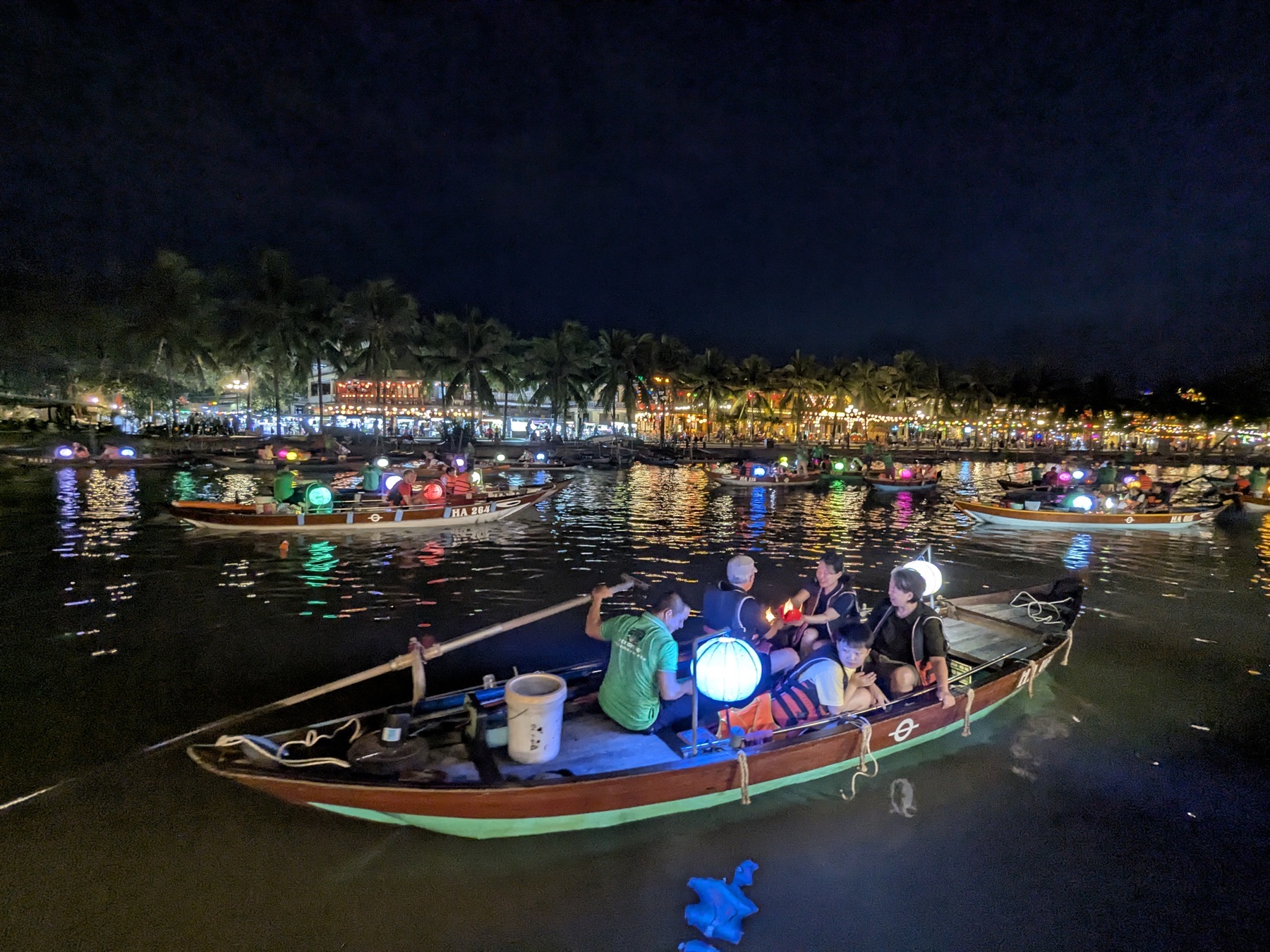
The market and river are clearest early, before the centre becomes dominated by day visitors. Produce, cooking, boat movement and deliveries show that the heritage zone remains connected to ordinary economic life. Respectful photography means asking before close portraits and leaving space for work to continue.
Lantern light and the night economy
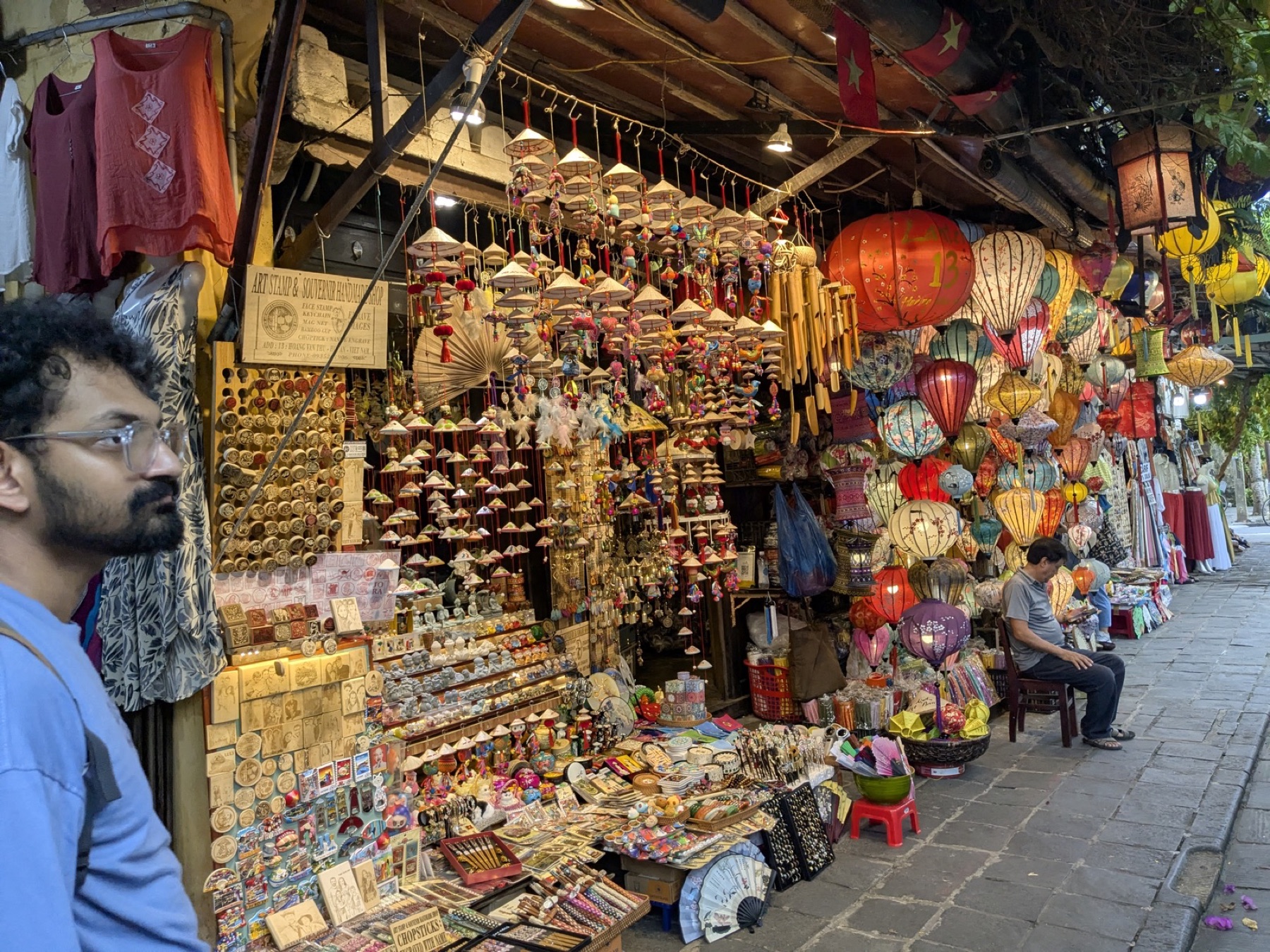
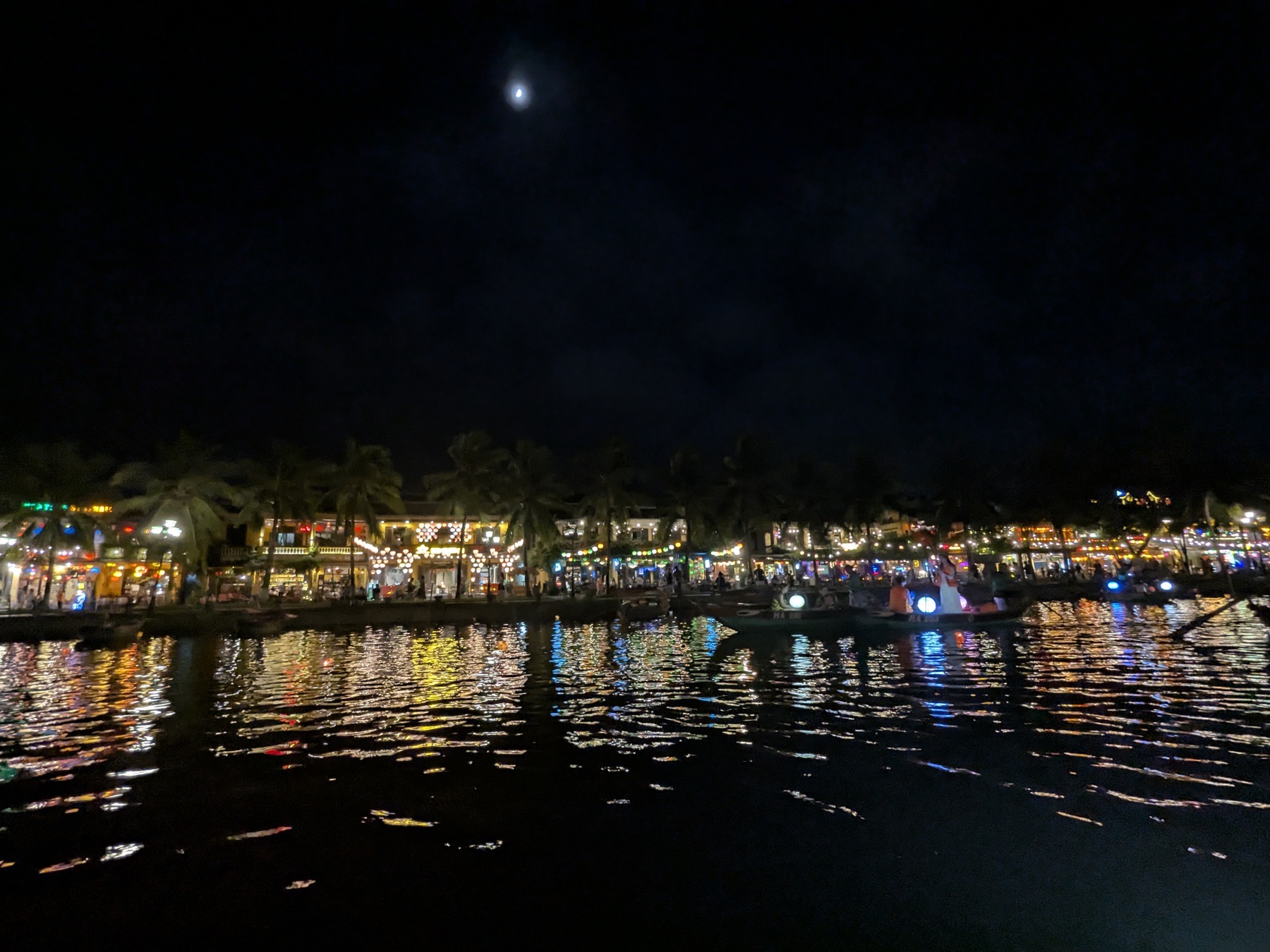
After dark, lanterns redraw façades and the river becomes a field of reflected colour. The scene is theatrical and crowded, yet it also continues craft and festival traditions adapted for contemporary visitors. Avoiding litter, choosing licensed boats and not releasing material into the river are small ways to keep the spectacle from burdening the place that sustains it.
Research and planning sources
The historical notes above are paraphrased from the following official heritage and tourism resources. Opening hours, tickets, conservation closures, trail access and photography rules can change; check the linked authorities before travelling.
Places from the journey
Saved places
World Heritage
Hoi An Ancient Town
A preserved Asian trading-port town with layered local and international influences.
Open in Google Maps ↗World Heritage
Japanese Covered Bridge
A historic covered bridge associated with Hoi An's Japanese merchant community.
Open in Google Maps ↗Market and local life
Hoi An Market
A busy market near the river within the historic town.
Open in Google Maps ↗River and cityscape
Thu Bon River Hoi An
The waterway that connected the former port to regional and overseas trade.
Open in Google Maps ↗