Travelled December 26, 2016 – December 27, 2016 · Published Aug 8, 2026 · 278 words
Kochi: harbour histories and a biennale city
A 2016 journal through Fort Kochi and Mattancherry during the Kochi-Muziris Biennale, where warehouses and waterfronts became spaces for contemporary art.
Journal entry
Notes from the journey
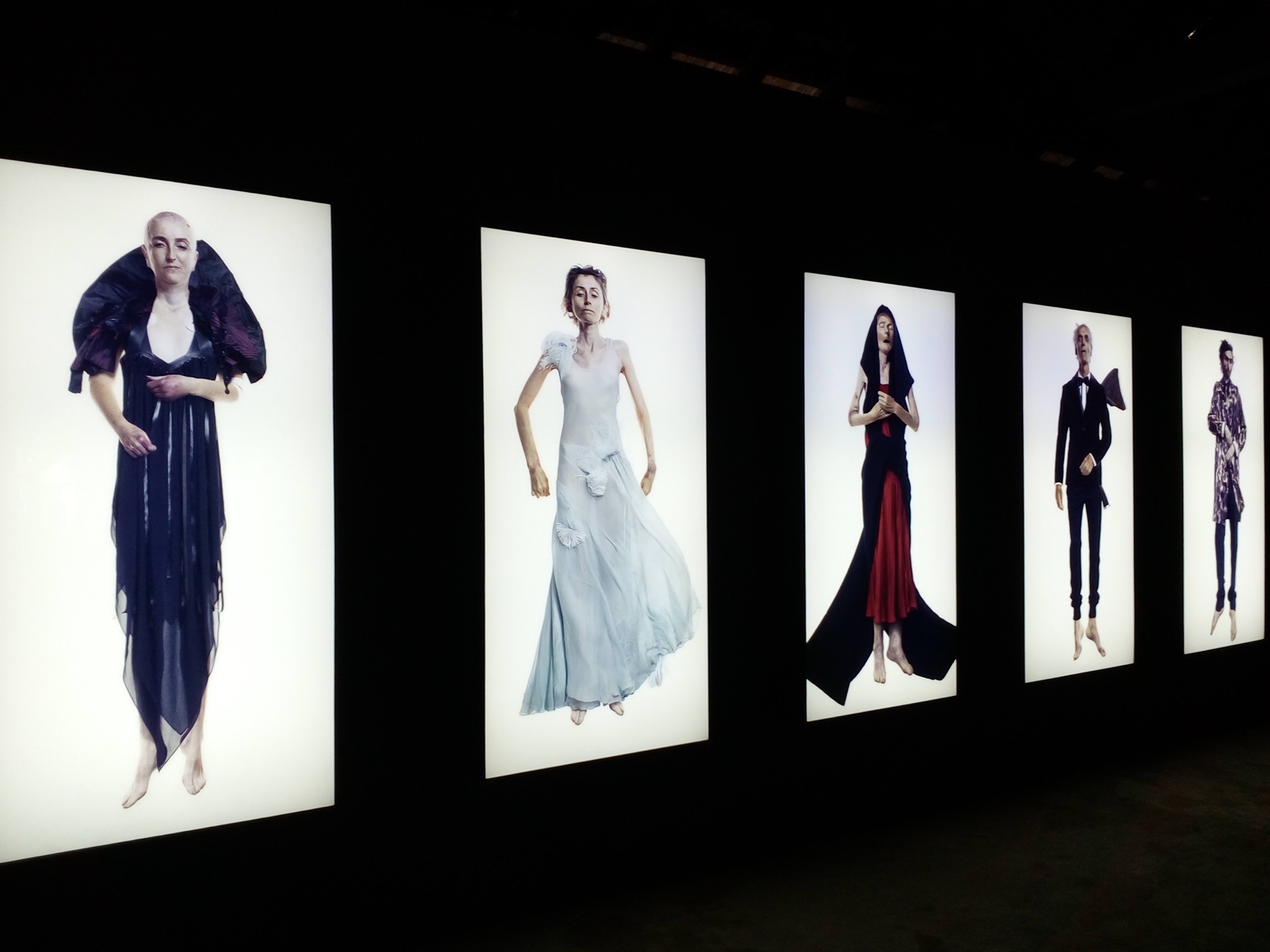
Kochi has always been shaped by exchange: spices, ships, faiths, empires, labour and migration entered through its harbour. During the Kochi-Muziris Biennale, that history becomes part of the exhibition architecture. The 2016 photographs remember installations, but the larger journal is about walking between art venues and a living port city.
Archive note: the photographs in this journal come from Varghese Tony's personal travel collection. Historical context is independently researched from the authoritative sources linked at the end.
Warehouses become galleries
The Kochi-Muziris Biennale began in 2012 and distributed contemporary art across reused buildings in Fort Kochi and Mattancherry. Aspinwall House became one of its emblematic venues. Rough walls, courtyards and harbour views are not neutral containers; they make trade, industry and decay part of how installations are encountered.
The harbour outside the exhibition
A biennale route naturally spills into streets, ferries, cafés, churches and the waterfront. Chinese fishing nets are the most familiar image, but container traffic and ferry crossings better reveal Kochi as a working harbour. The city resists a clean separation between heritage zone and everyday infrastructure.
Mattancherry's layered neighbourhoods
Mattancherry Palace, the Paradesi Synagogue and nearby religious sites record centuries of overlapping communities. These are living places with their own access and worship expectations, not simply stops between galleries. Moving quietly, checking current photography rules and spending money with local businesses make the cultural circuit more respectful.
Research and planning sources
The historical notes above are paraphrased from the following official heritage and tourism resources. Opening hours, tickets, conservation closures, trail access and photography rules can change; check the linked authorities before travelling.
Places from the journey
Saved places
Art and industrial heritage
Aspinwall House
A major waterfront venue associated with editions of the Kochi-Muziris Biennale.
Open in Google Maps ↗Harbour and coast
Fort Kochi Beach
A working waterfront landscape near the Chinese fishing nets.
Open in Google Maps ↗Museum and heritage
Mattancherry Palace
A palace museum known for Kerala murals and layered Portuguese-Dutch history.
Open in Google Maps ↗Living heritage
Paradesi Synagogue
A historic synagogue in Mattancherry's Jew Town.
Open in Google Maps ↗