Travelled July 27, 2018 · Published Aug 8, 2026 · 314 words
Macao: stone steps, tiled squares and a layered port
A 2018 walk from Senado Square to the Ruins of St Paul's, tracing the Chinese and Portuguese histories held in Macao's compact centre.
Journal entry
Notes from the journey
Macao's historic centre is small enough to cross on foot and dense enough to hold several worlds in one street. Portuguese civic buildings, Chinese temples, Catholic churches and commercial lanes were never isolated traditions; they formed a port society through daily contact. The 2018 photographs follow that encounter uphill from Senado Square.
Archive note: the photographs in this journal come from Varghese Tony's personal travel collection. Historical context is independently researched from the authoritative sources linked at the end.
A civic square still in use
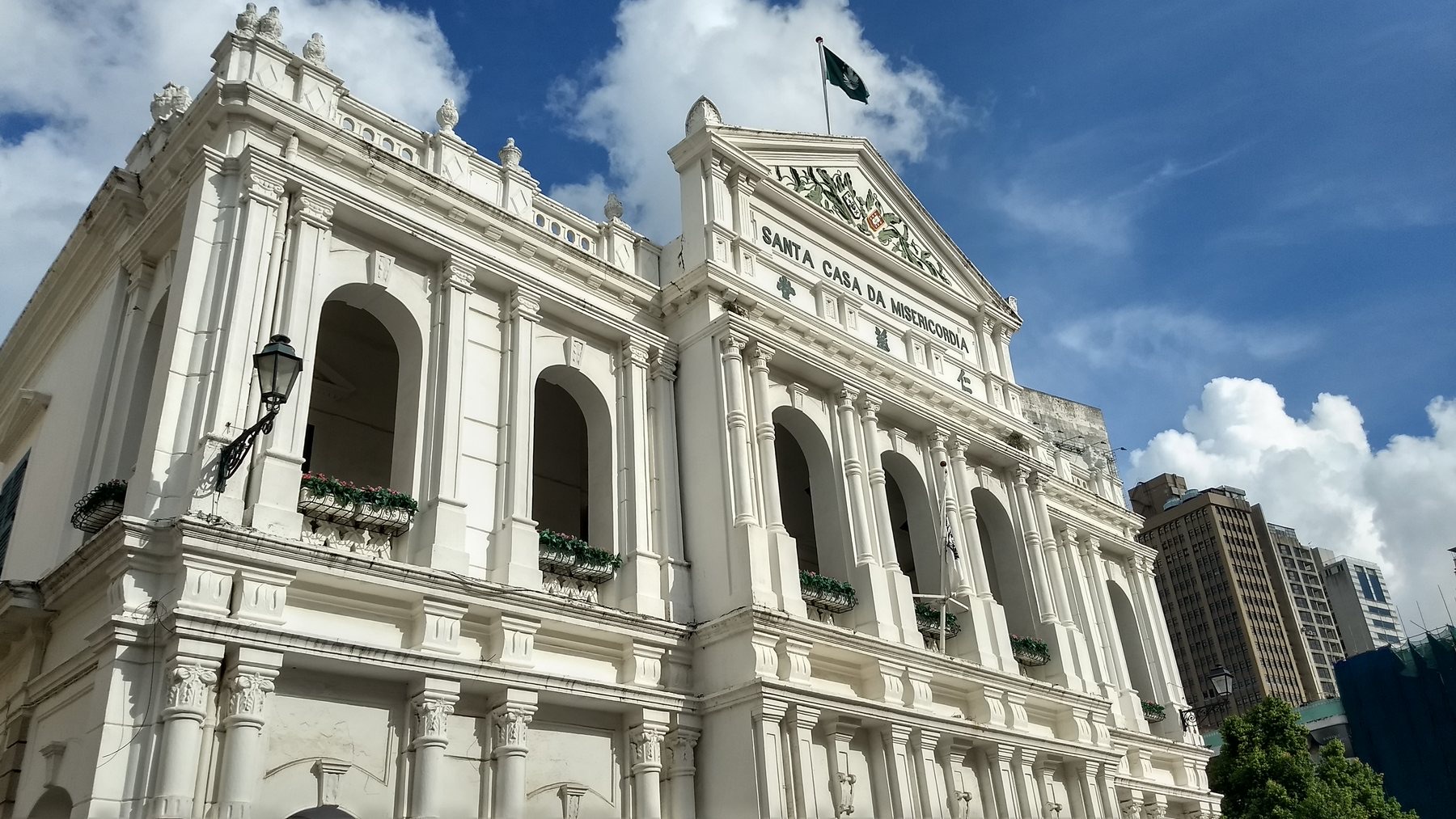
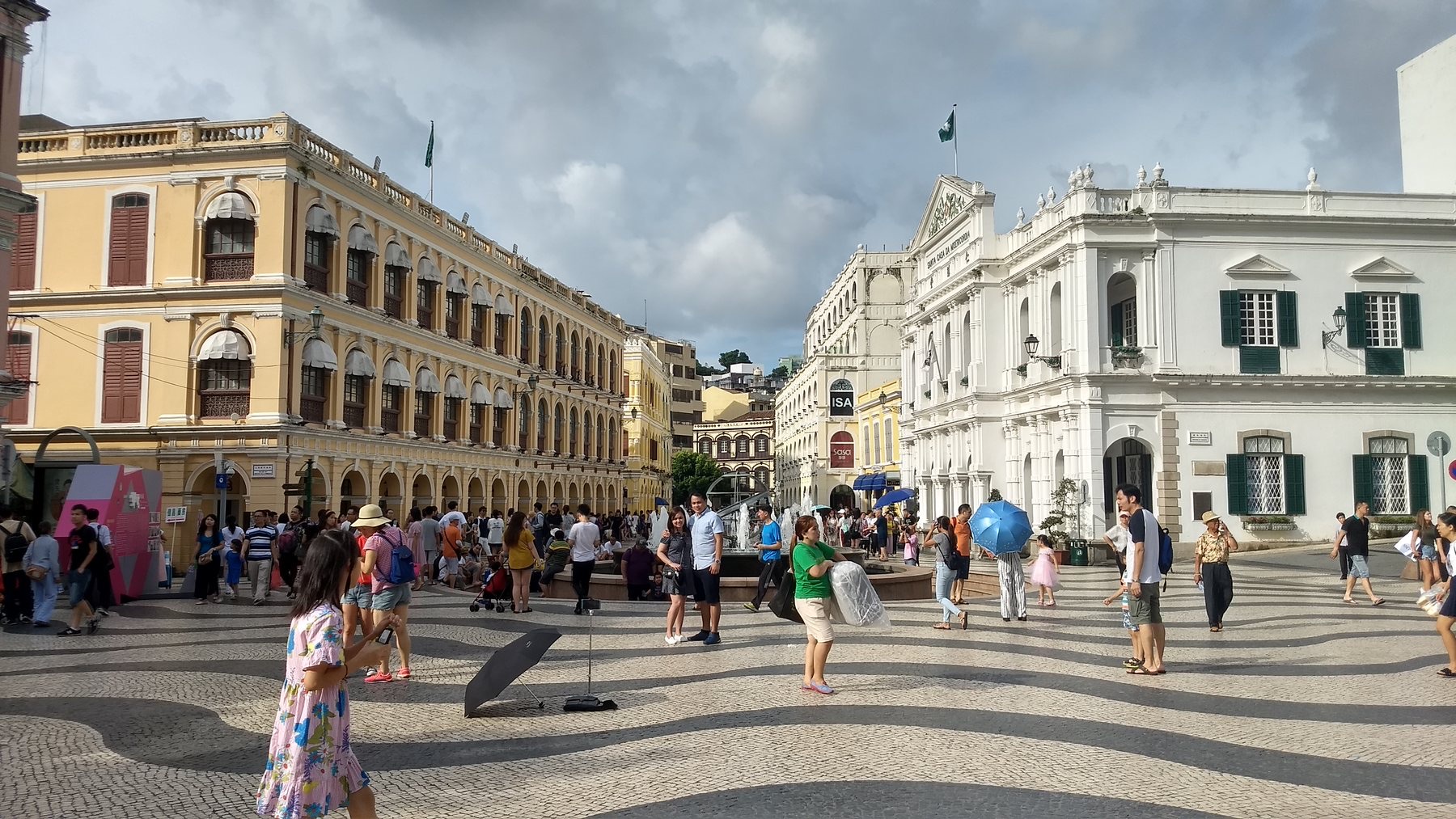
Senado Square has served as Macao's urban centre for centuries and remains a stage for public events. The wave-pattern paving is modern, but the surrounding neoclassical façades and nearby Chinese institutions reveal the square's longer civic role. Its value lies in the streets that continue outward, joining markets, churches and temples into one walkable fabric.
The façade at the top of the steps
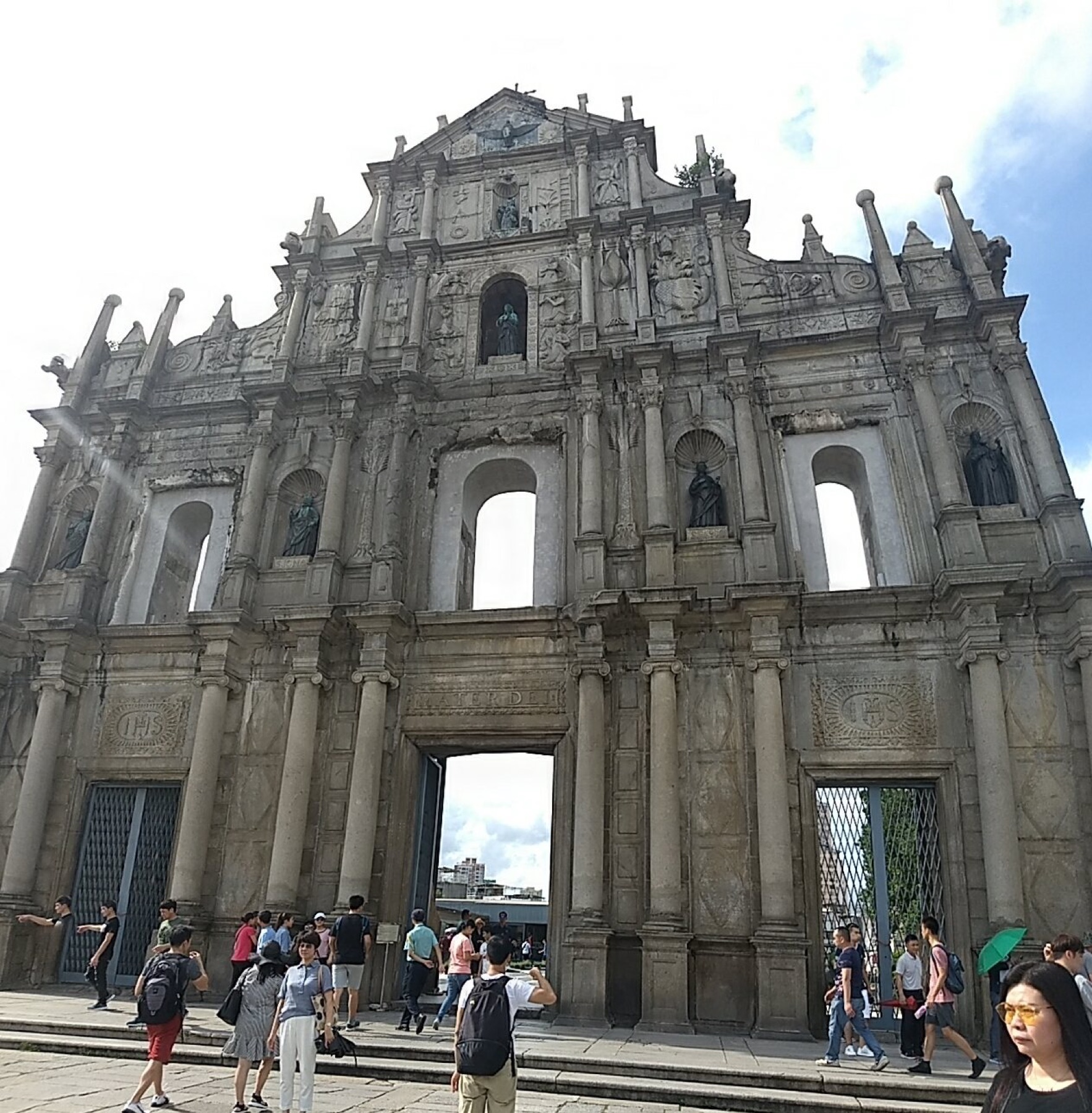
The Ruins of St Paul's preserve the stone front of the seventeenth-century Church of Mater Dei and the remains of St Paul's College. The college was an important base for Jesuit learning and missions in East Asia. Fire destroyed most of the church in 1835, leaving a façade that now behaves almost like an urban screen between the steps, archaeological remains and Monte Fort.
A port seen beyond the heritage core
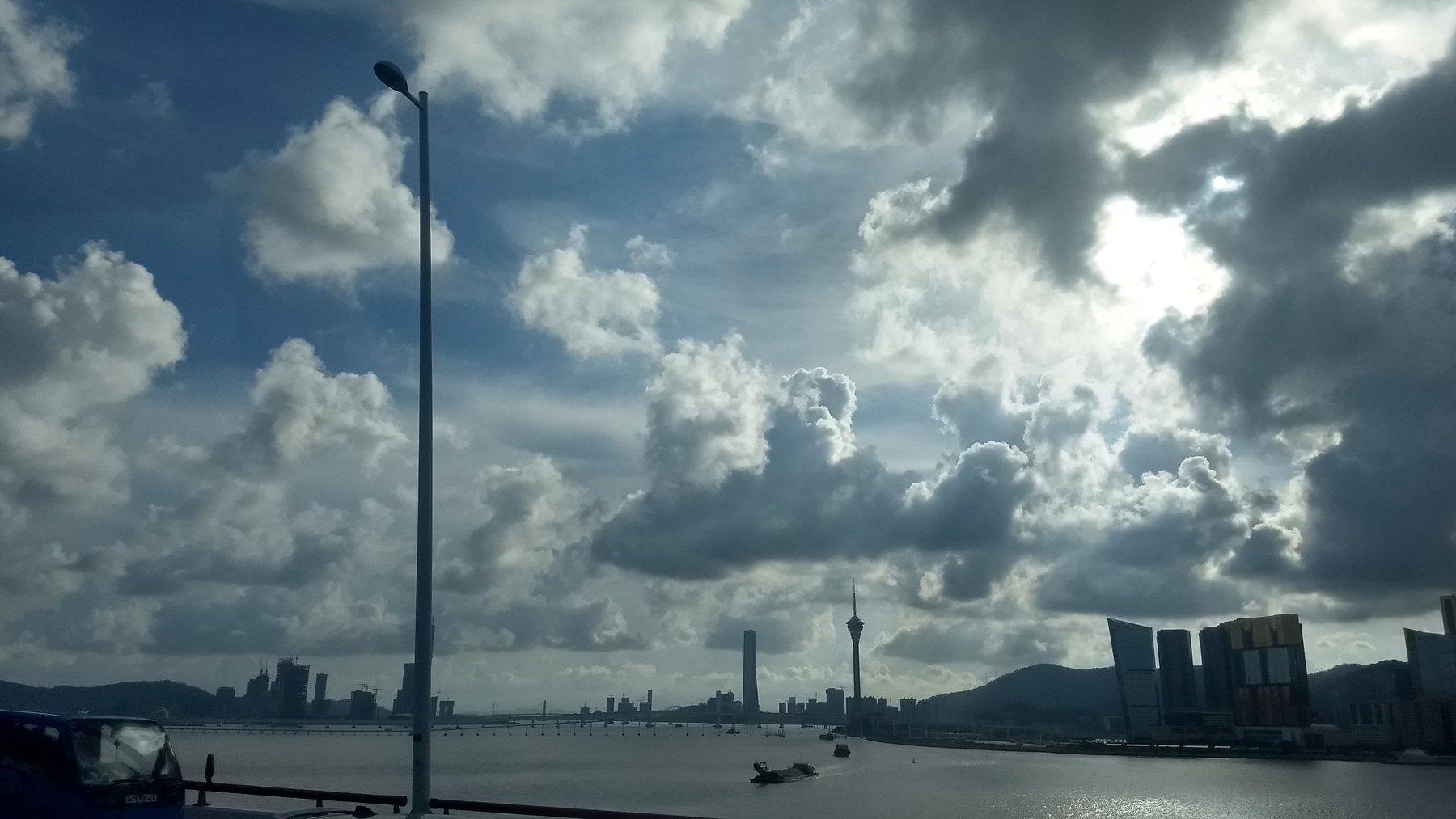
Modern Macao expanded through reclamation, bridges and tourism development. Looking back at the skyline prevents the World Heritage centre from becoming a complete story by itself. The city's distinctiveness comes from continuity and change: historic neighbourhoods remain active inside a much larger contemporary economy.
Research and planning sources
The historical notes above are paraphrased from the following official heritage and tourism resources. Opening hours, tickets, conservation closures, trail access and photography rules can change; check the linked authorities before travelling.
Places from the journey
Saved places
World Heritage
Senado Square
Macao's long-standing civic square with patterned paving and neoclassical façades.
Open in Google Maps ↗World Heritage
Leal Senado Building
The former municipal chamber facing Senado Square.
Open in Google Maps ↗World Heritage
Ruins of St. Paul's
The surviving church façade and college remains above the old city.
Open in Google Maps ↗Fort and museum
Monte Fort
A hilltop fortress overlooking the historic centre.
Open in Google Maps ↗