Travelled May 29, 2015 – May 31, 2015 · Published Aug 8, 2026 · 295 words
Mysuru: palace avenues and a cultural capital
The 2015 Mysuru photographs move from the Wodeyar palace and broad avenues to sacred architecture, gardens and the city's long public life.
Journal entry
Notes from the journey
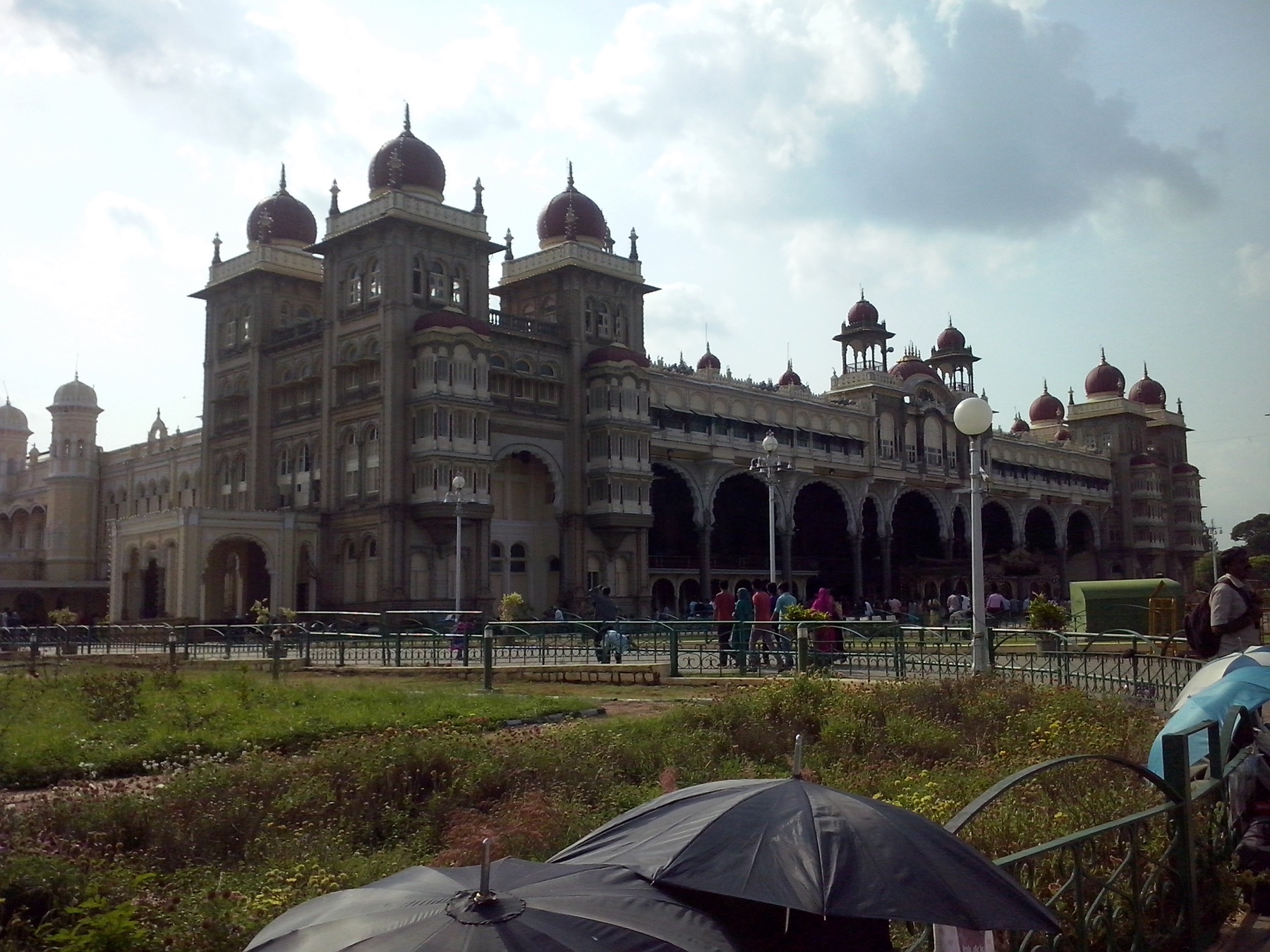
Mysuru's reputation for measured avenues, gardens and ceremony is not accidental. The Wodeyar capital developed a strong public identity around palace culture, Dasara, education, art and planned civic spaces. These photographs from 2015 follow a city whose royal past remains visible without entirely defining its present.
Archive note: the photographs in this journal come from Varghese Tony's personal travel collection. Historical context is independently researched from the authoritative sources linked at the end.
A palace at the city's ceremonial centre
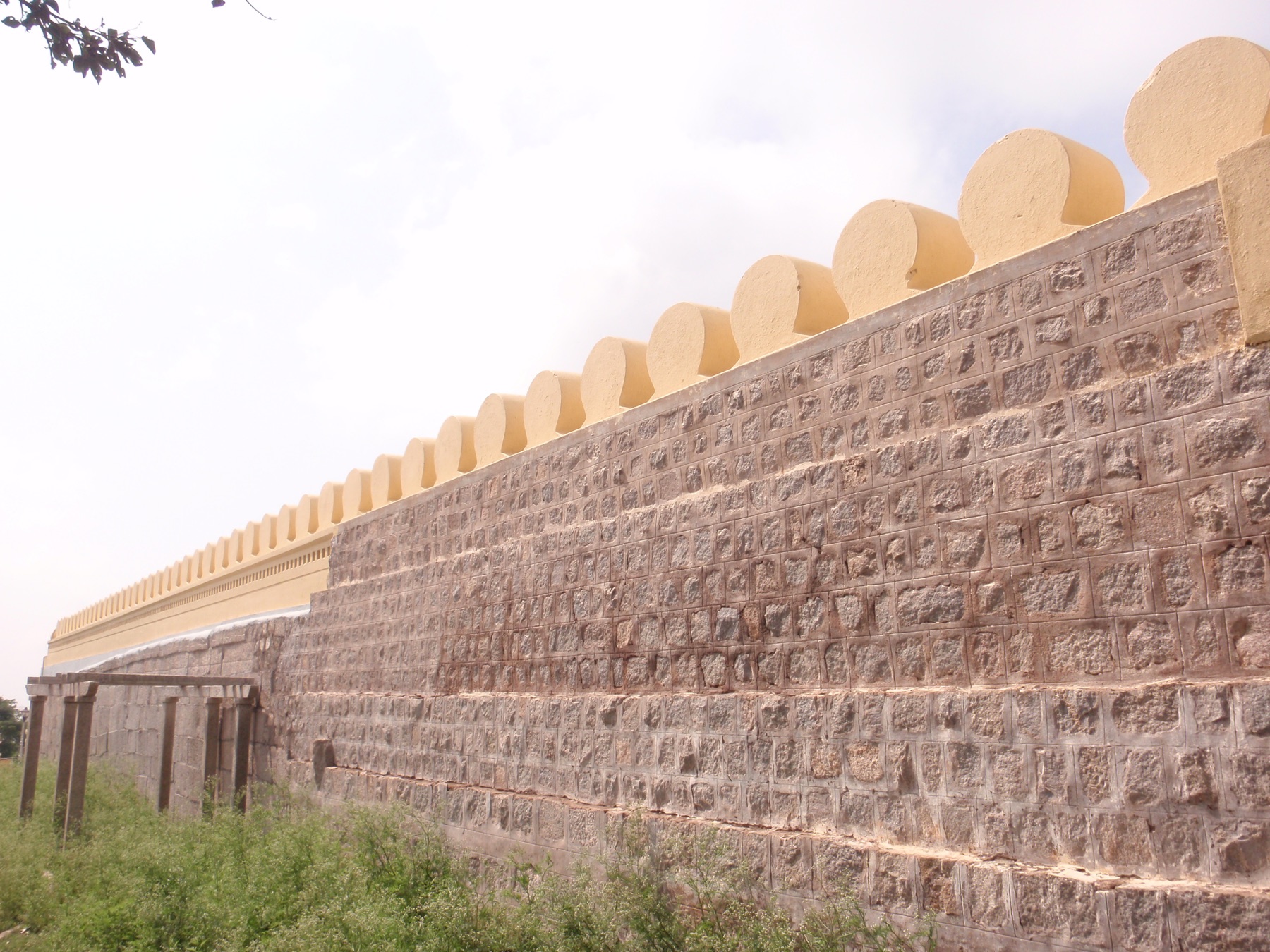
The current Mysuru Palace was completed in the early twentieth century after fire destroyed an earlier wooden palace. Its Indo-Saracenic design combines domes, arches, towers and richly decorated interiors. The building is inseparable from the Dasara tradition, when palace, avenues and procession routes become one civic stage. Even outside festival season, the scale of the grounds and surrounding streets carries that ceremonial logic.
Sacred skylines beyond the palace
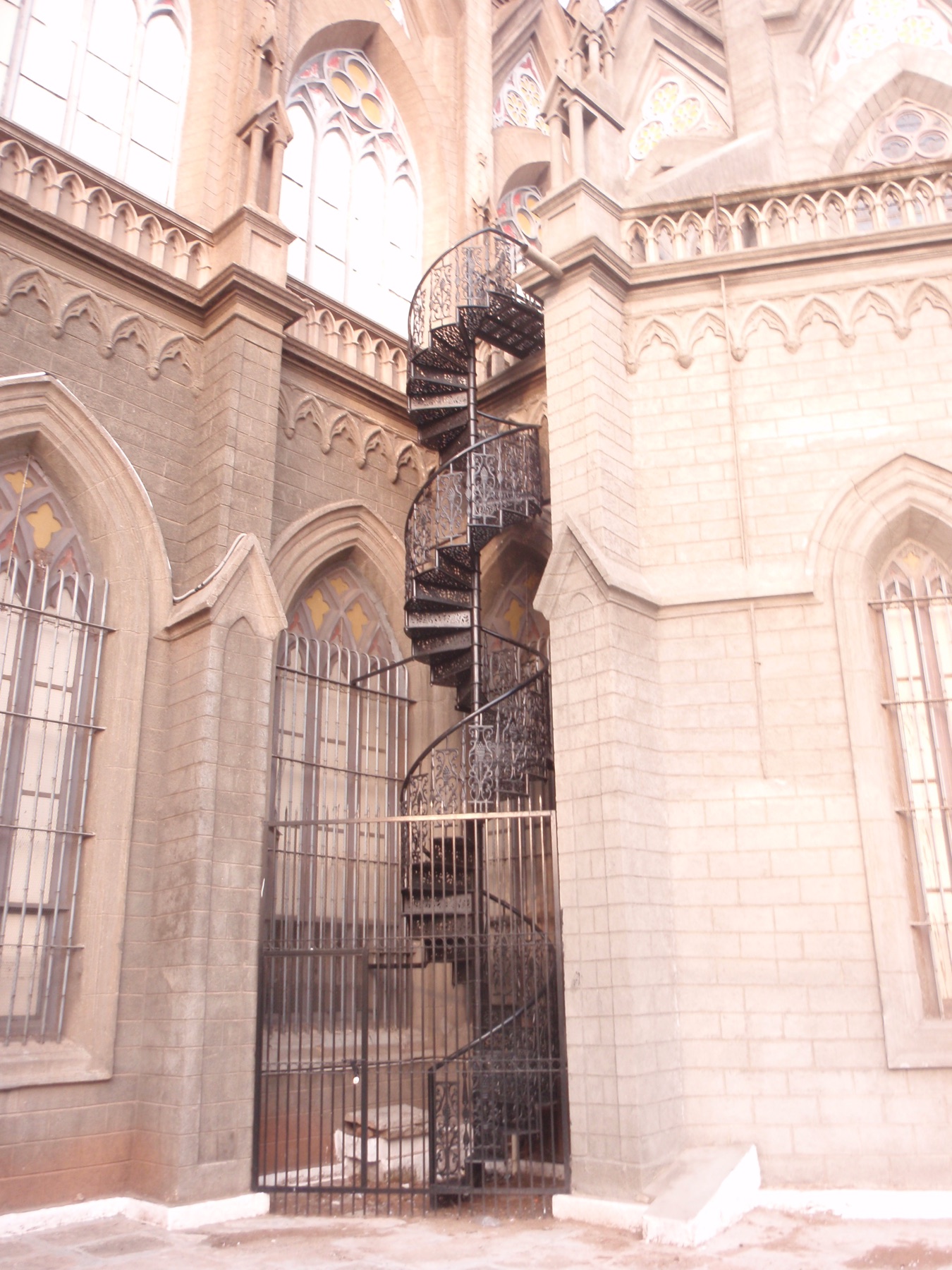
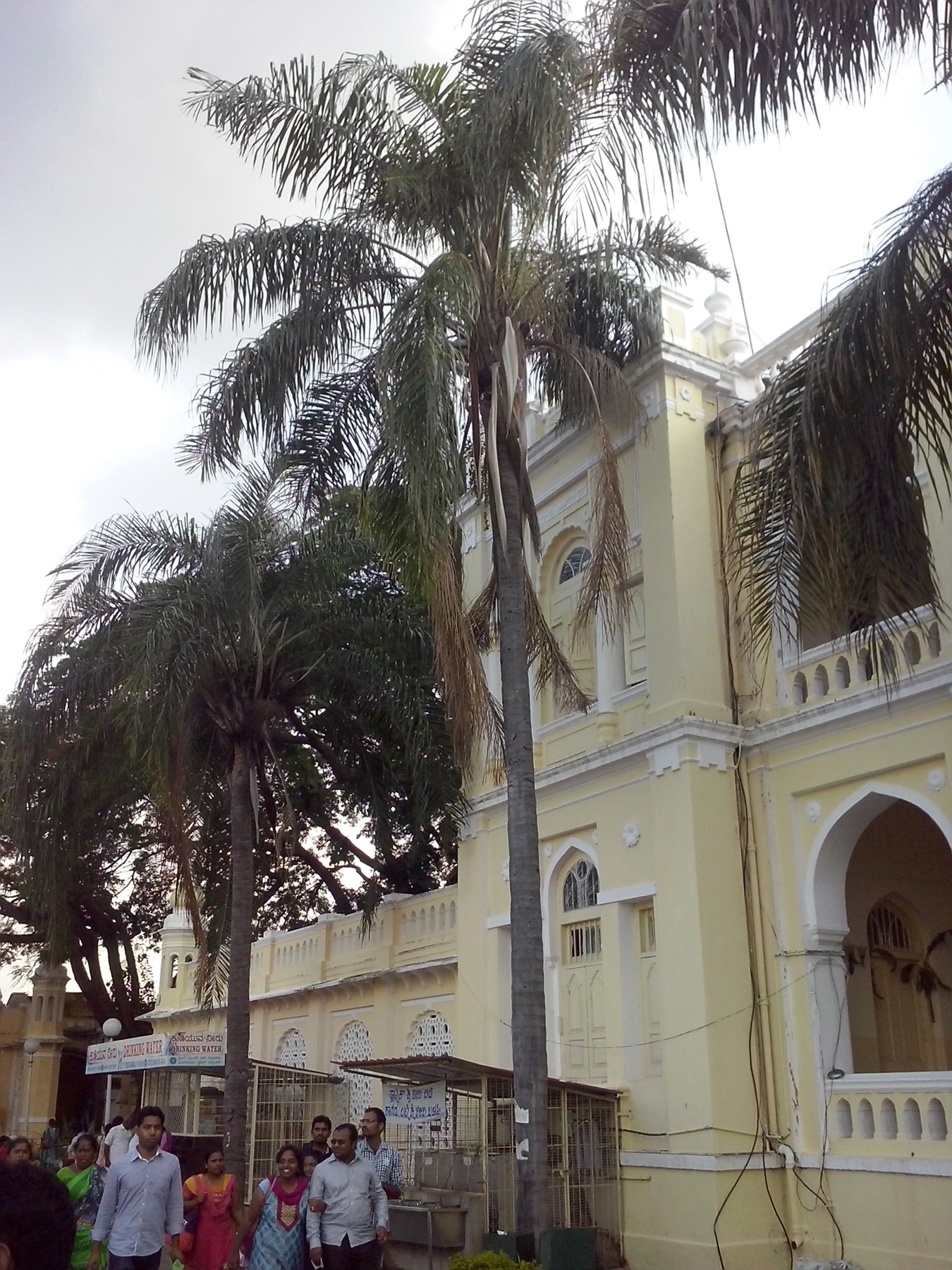
St Philomena's Cathedral adds a different vertical landmark, while Chamundi Hills gives the city its sacred and geographic backdrop. Together they complicate any single royal narrative. Mysuru's cultural identity was built through overlapping court, temple, church, educational and neighbourhood histories, many of which remain active rather than frozen as exhibits.
Gardens, collections and public institutions
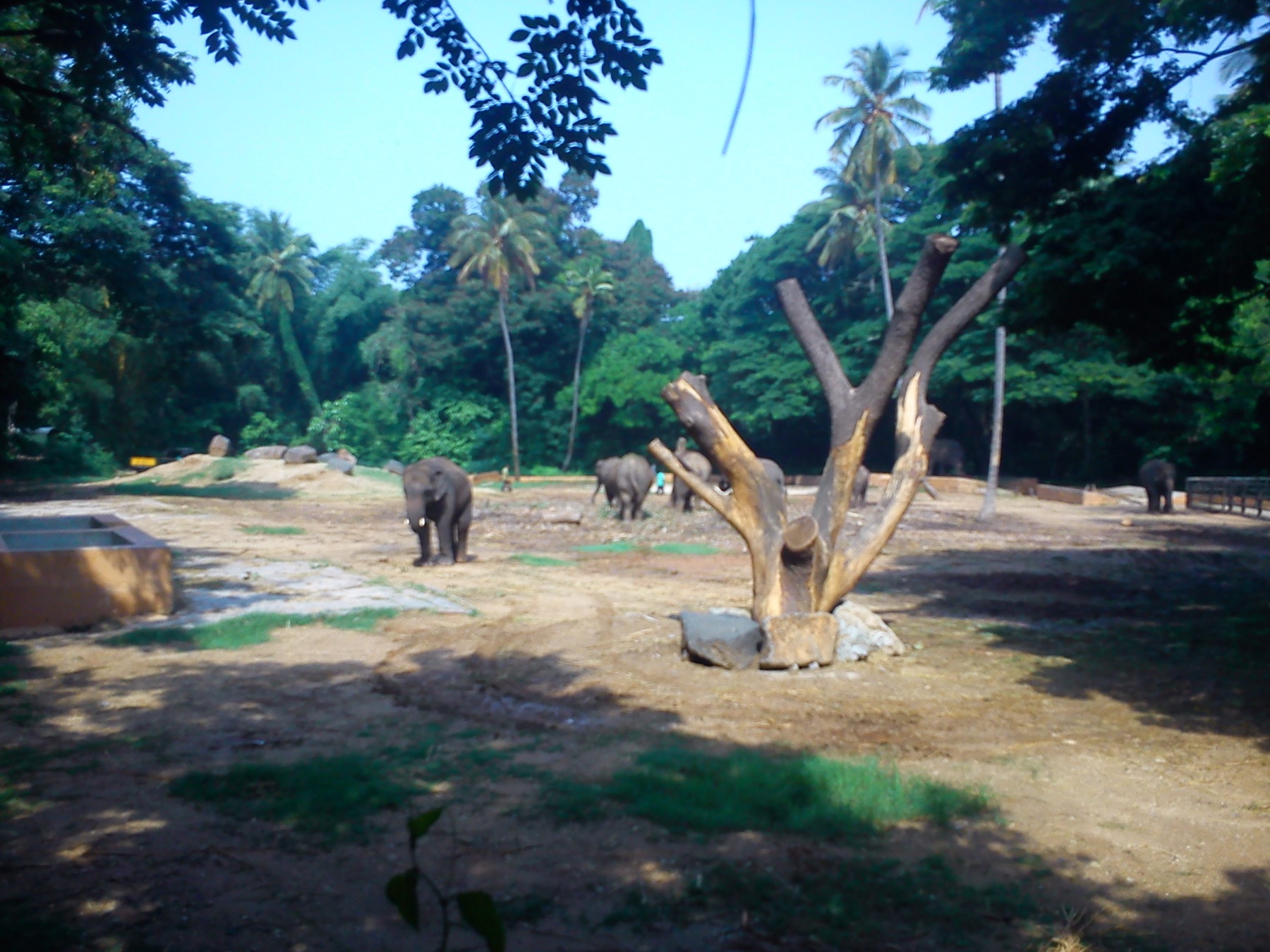
Sri Chamarajendra Zoological Gardens dates to the Wodeyar era and belongs to the city's long investment in public gardens and institutions. Modern animal-welfare expectations should shape how such places are read and visited today. Around it, Karanji Lake, museums and markets offer quieter ways to see the city beyond the palace circuit.
Research and planning sources
The historical notes above are paraphrased from the following official heritage and tourism resources. Opening hours, tickets, conservation closures, trail access and photography rules can change; check the linked authorities before travelling.
Places from the journey
Saved places
Palace and museum
Mysore Palace
The Indo-Saracenic palace at the centre of Wodeyar Mysuru.
Open in Google Maps ↗Sacred architecture
St Philomena's Cathedral
A major twentieth-century neo-Gothic church in Mysuru.
Open in Google Maps ↗Garden and wildlife
Mysuru Zoo
Sri Chamarajendra Zoological Gardens, established in the Wodeyar period.
Open in Google Maps ↗Sacred viewpoint
Chamundi Hills
The hill and Chamundeshwari Temple overlooking Mysuru.
Open in Google Maps ↗