Travelled August 14, 2016 · Published Aug 8, 2026 · 329 words
Srirangapatna: an island of temples, fort walls and memory
A 2016 walk through Srirangapatna links the Cauvery island's sacred centre with Tipu Sultan's capital and the history of the Anglo-Mysore wars.
Journal entry
Notes from the journey
Srirangapatna is an island town before it is a collection of monuments. The Cauvery curves around temple, fort and neighbourhood, making geography central to both devotion and defence. This 2016 walk moved between the Ranganathaswamy Temple and the remains of Tipu Sultan's capital, two histories that have shared the island for centuries.
Archive note: the photographs in this journal come from Varghese Tony's personal travel collection. Historical context is independently researched from the authoritative sources linked at the end.
Adi Ranga on the Cauvery
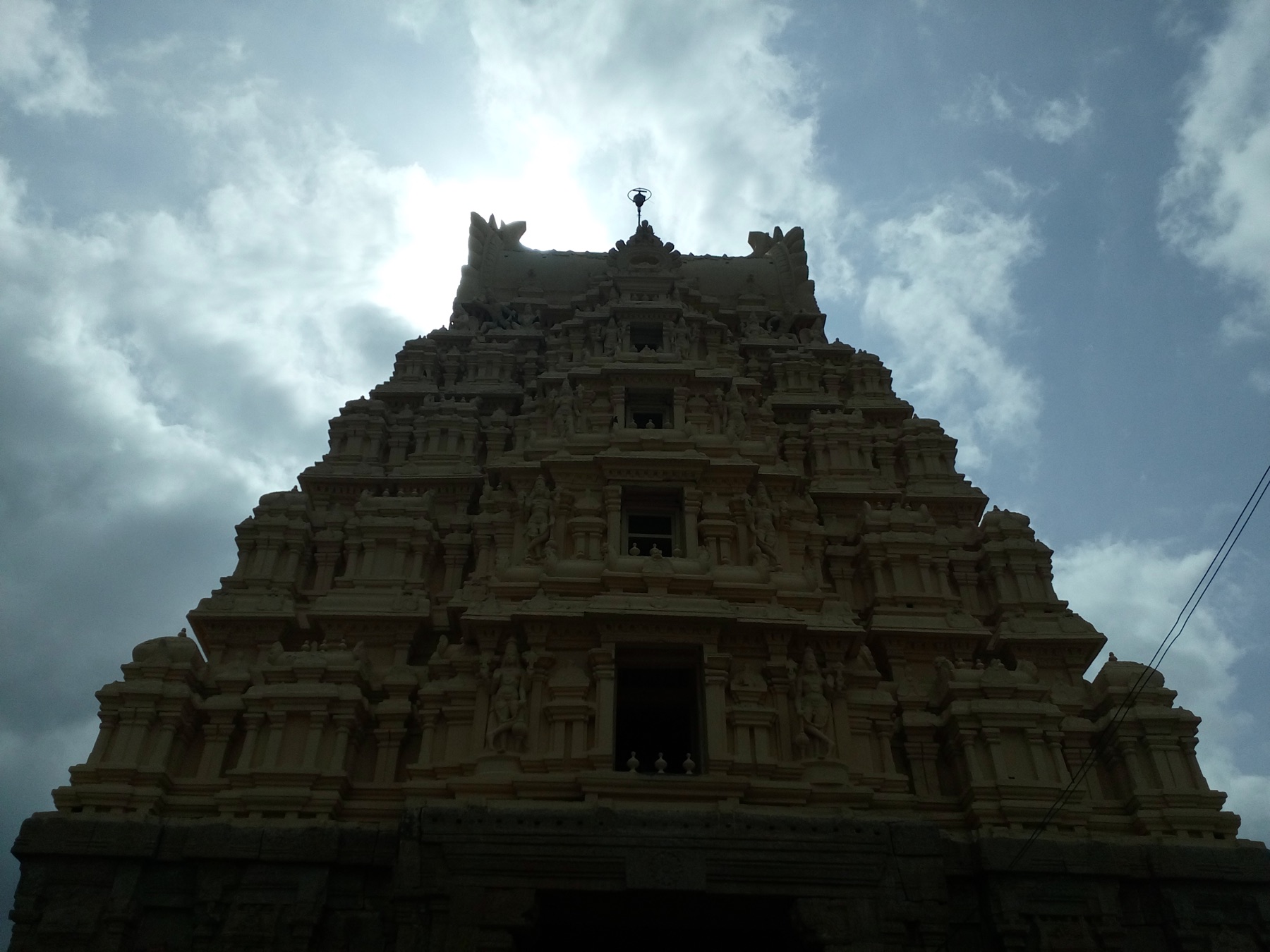
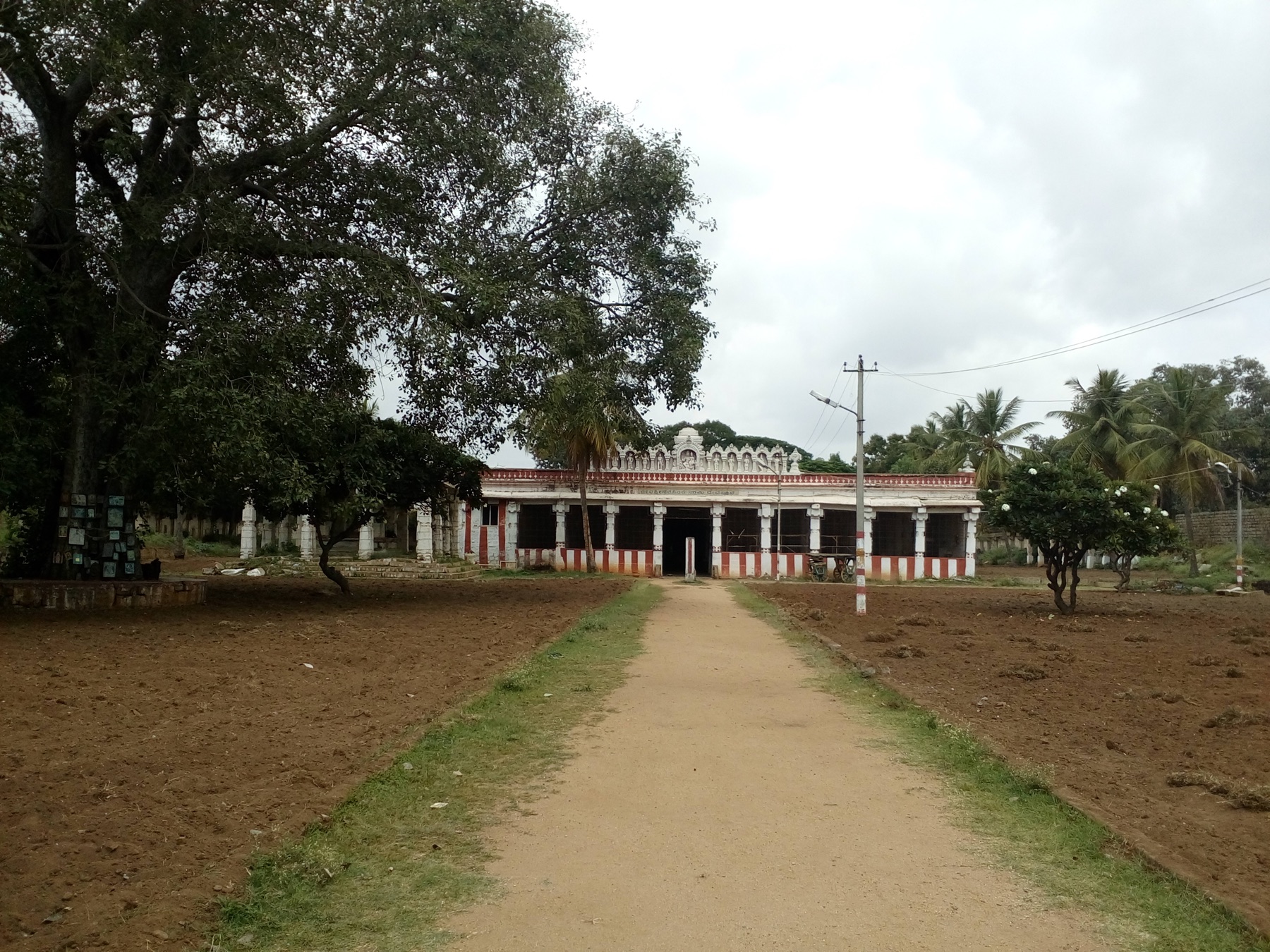
The town takes its name from Sri Ranganathaswamy Temple, dedicated to Vishnu as Ranganatha. Karnataka Tourism places Srirangapatna within a sacred sequence of Cauvery islands known as Adi, Madhya and Antya Ranga. The temple is not a preface to the military history; it is a living centre whose pilgrimage and ritual life long preceded Tipu Sultan's rule.
A fortress capital and the war of 1799
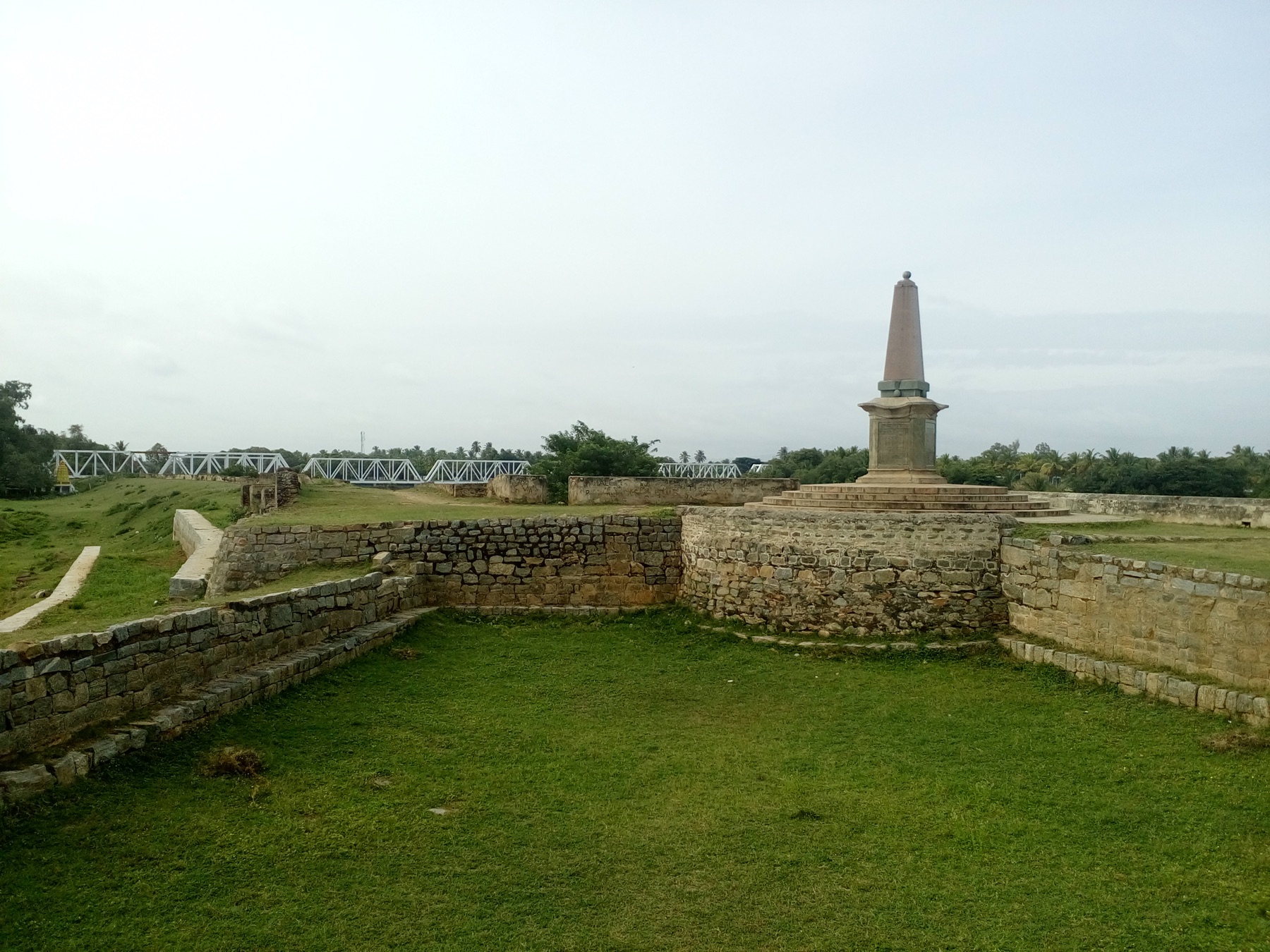
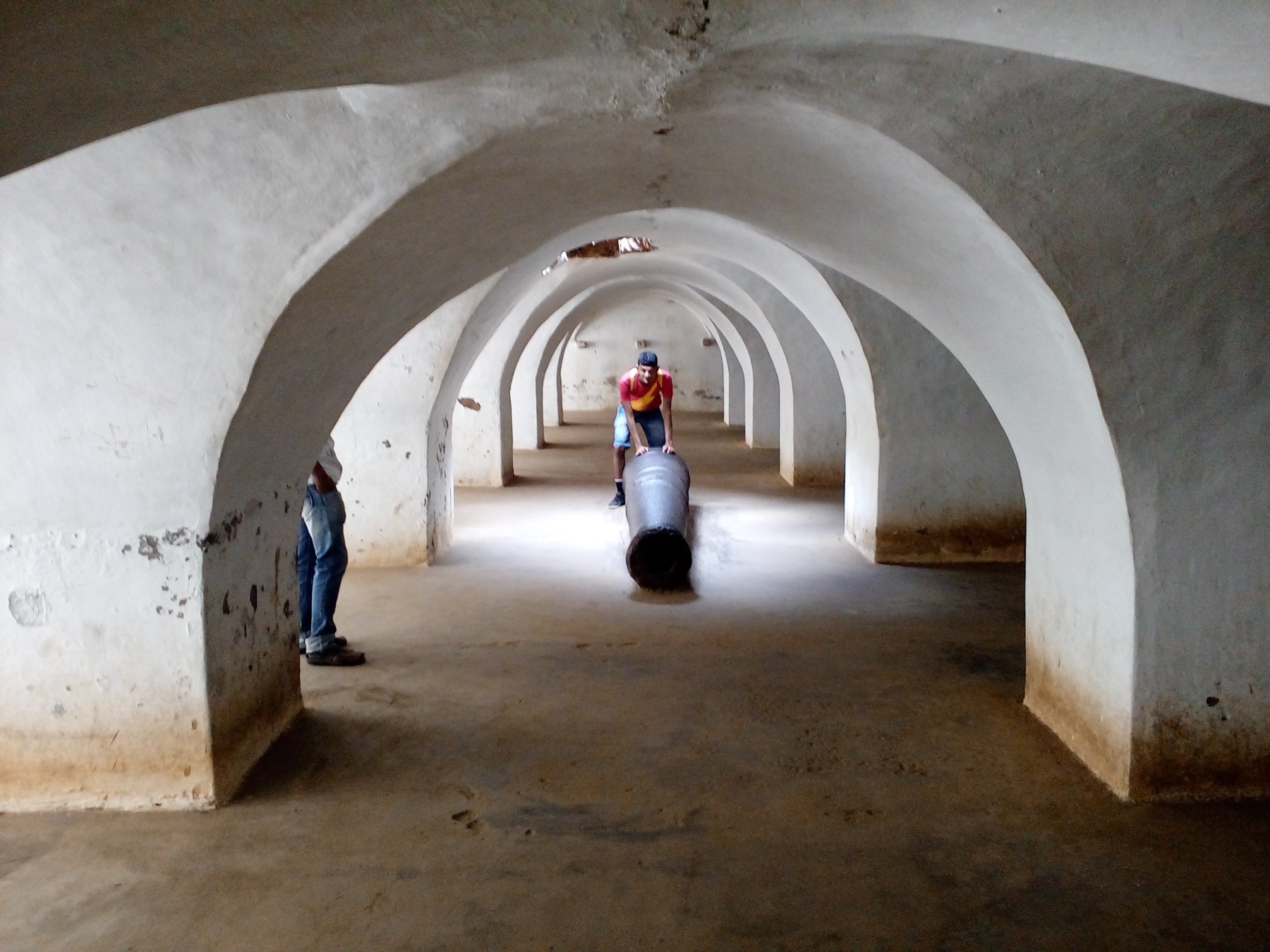
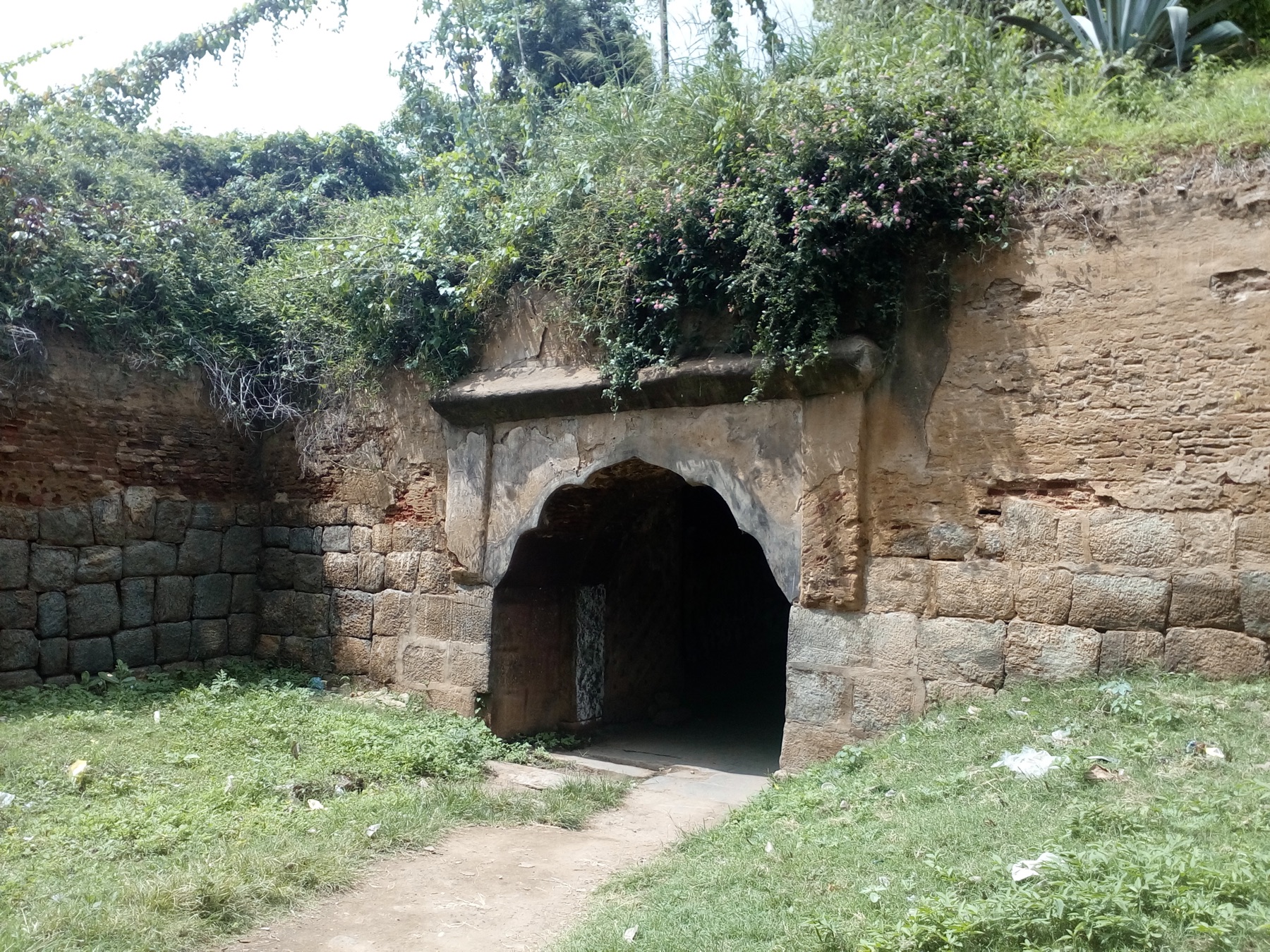
Hyder Ali and Tipu Sultan made Srirangapatna the centre of a state that repeatedly contested East India Company expansion. The Fourth Anglo-Mysore War ended here in 1799 with the siege and Tipu's death. Walls, breach points and vaulted spaces turn a familiar textbook event into physical geography. Labels around the site can simplify a contested past, so the strongest reading compares the surviving structures with museum and archival interpretation.
Dariya Daulat and the painted court
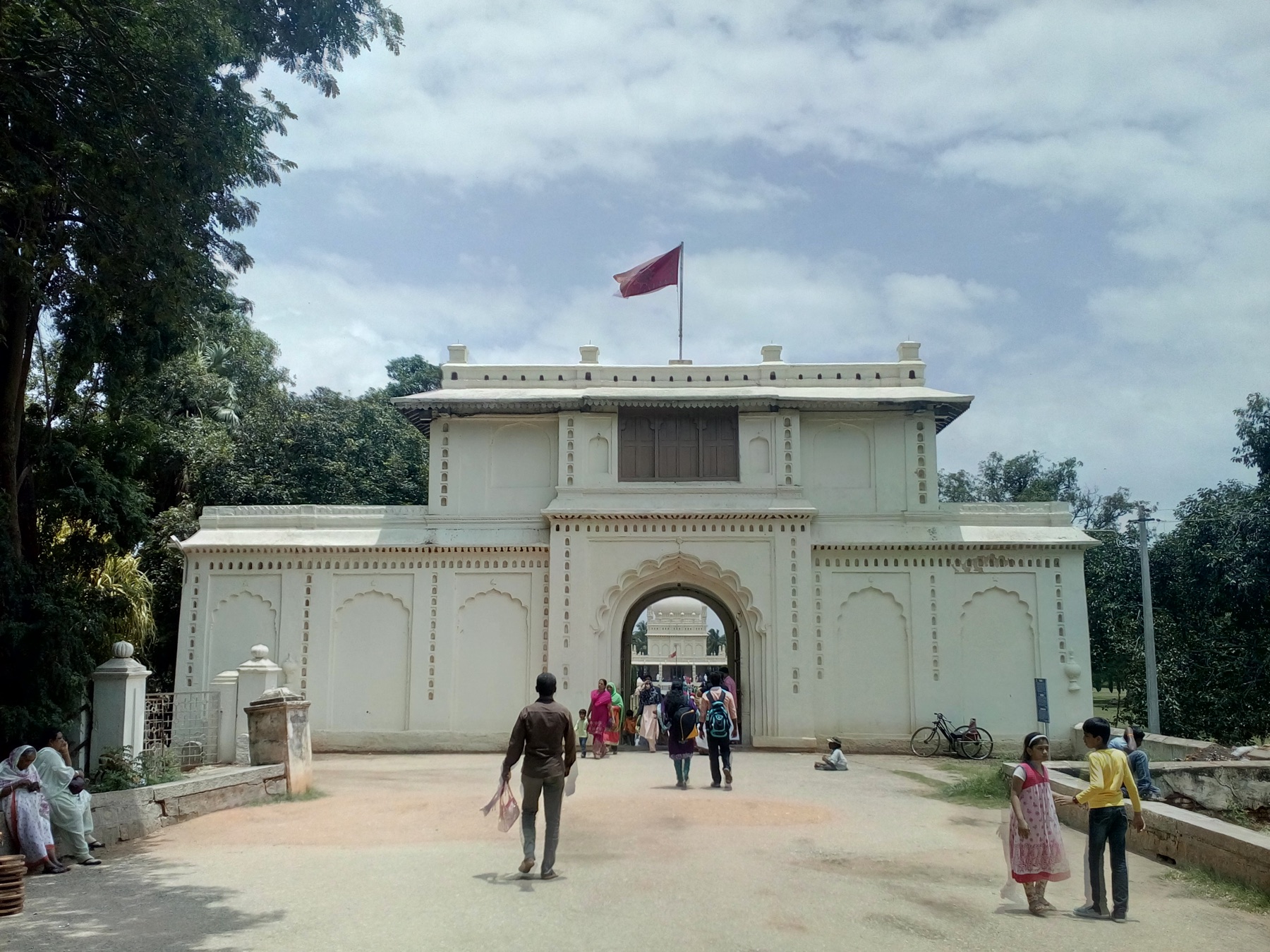
Dariya Daulat Bagh, completed in the late eighteenth century, is a teak palace set within gardens. Painted walls depict courtly scenes and conflict, making the building both residence and political image. The nearby Gumbaz holds the tombs of Tipu Sultan, Hyder Ali and Fakhr-un-Nisa. Together they shift the visit from battlefield chronology toward family, court culture and remembrance.
Research and planning sources
The historical notes above are paraphrased from the following official heritage and tourism resources. Opening hours, tickets, conservation closures, trail access and photography rules can change; check the linked authorities before travelling.
Places from the journey
Saved places
Sacred heritage
Sri Ranganathaswamy Temple Srirangapatna
The Vishnu temple that gives the Cauvery island its name.
Open in Google Maps ↗Palace and museum
Dariya Daulat Bagh
Tipu Sultan's teak summer palace with painted interiors.
Open in Google Maps ↗Military heritage
Colonel Bailey's Dungeon
A vaulted prison within the fortifications.
Open in Google Maps ↗Mausoleum
Gumbaz-e-Shahi
The mausoleum of Tipu Sultan, Hyder Ali and Fakhr-un-Nisa.
Open in Google Maps ↗